
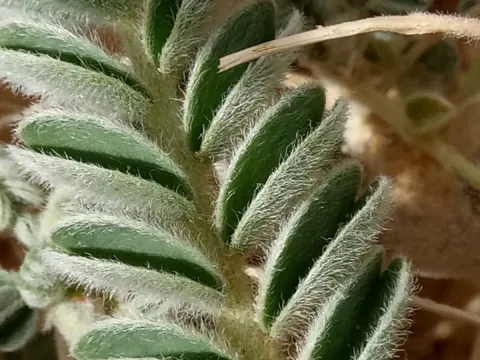
Astragalus gombo
Astragalus gombo
Astragalus gombo is a perennial herbaceous plant belonging to the Fabaceae family. It is recognized for its adaptation to arid and semi-arid environments, making it a valuable candidate for sustainable forage production in challenging climates.
What the section contains
Astragalus gombo
Sowing should take place in early spring when the soil temperature consistently reaches 5-8 degrees Celsius. Seed coat dormancy is a common trait, necessitating mechanical or chemical scarification prior to planting to ensure uniform germination.
A seeding rate of 10-12 kg per hectare is standard for row planting. Seeds should be sown at a shallow depth of 2-3 cm to facilitate quick emergence, as deeper sowing may lead to seedling failure due to limited energy reserves.
The establishment phase requires careful weed management. Because the plant focuses on developing a deep, extensive taproot system during its first year, it grows slowly above ground, requiring the farmer to keep the field clear of aggressive weeds.
Wide-row planting (30-45 cm apart) is highly recommended. This spacing allows for mechanical inter-row cultivation, which helps conserve soil moisture and suppresses weeds during the critical early development stages.
Astragalus gombo is remarkably tolerant of poor, sandy, and rocky soils. Its ability to fix atmospheric nitrogen via symbiotic bacteria makes it an excellent choice for improving soil fertility in degraded landscapes.
The plant thrives in well-drained soils with a neutral to slightly alkaline pH. It is highly sensitive to waterlogging; therefore, avoid low-lying areas or heavy clay soils prone to water retention to prevent root rot.
Excellent drought tolerance is a hallmark of this species. Once established, it can endure severe summer heat and limited precipitation, making it a reliable forage source in regions where other crops struggle.
Routine maintenance includes keeping the soil surface loose and aerobic. While the plant is drought-resistant, a modest amount of supplementary irrigation during the first months after sowing can significantly improve survival rates.
Minimal fertilizer input is required, especially regarding nitrogen. However, ensuring sufficient levels of phosphorus and potassium during the establishment phase encourages stronger root development and long-term viability.
The primary agricultural use of Astragalus gombo is as a high-protein forage source. The green biomass is nutrient-dense, containing various essential amino acids, minerals, and vitamins beneficial for livestock.
Yields are influenced by water availability and cutting frequency. In favorable environments, the plant exhibits good regrowth potential, allowing for two cuts per season without compromising the plant's long-term health.
Seed production relies heavily on insect pollination, as the species is entomophilous. Maintaining a healthy population of bees and other pollinators in the vicinity of the field is crucial for optimizing seed yields.
Beyond forage, Astragalus gombo has gained attention in the pharmaceutical and nutraceutical industries. Specific saponins found within the tissues are processed for various medicinal applications and health supplements.
When harvested as dry hay, the biomass maintains high nutritional value if stored correctly. It serves as an excellent supplementary feed during winter months, helping to maintain livestock health and performance.
Fungal pathogens are the most significant threats to Astragalus gombo, particularly in humid or poorly ventilated conditions. Leaf spots and powdery mildew can reduce photosynthetic efficiency.
Pests such as the clover weevil (Sitona spp.) can cause damage by feeding on young leaves and stems. Regular scouting during the growing season is necessary to intervene before populations cause economic damage.
Aphid infestations can stress the plant and facilitate the transmission of viral diseases. Integrated pest management strategies, emphasizing biological controls, are preferred to preserve the local pollinator population.
Root rot is the main threat associated with poor drainage. Once established, this condition is difficult to treat, making preventative soil site selection the most effective way to protect the crop.
- Monitor fields early in the season for signs of pests.
- Implement crop rotation to disrupt soil-borne pathogen cycles.
- Ensure adequate field ventilation to minimize humidity levels around the foliage.
For high-quality forage, harvest should occur during the budding phase. Harvesting at this stage ensures the highest concentration of protein and the best digestibility for livestock before the stems become too fibrous.
Seed harvesting requires careful timing, typically when the pods turn dark and dry. Producers should harvest during dry, sunny conditions to minimize shattering losses, as the pods are prone to splitting.
A two-stage harvesting process is often used for seeds: cutting and windrowing followed by threshing. This allows the pods to reach uniform moisture levels, reducing the risk of harvest-time seed losses.
Proper post-harvest drying is essential. The moisture content of the seeds should be reduced to 12-14% before long-term storage in well-ventilated silos to prevent mold and loss of viability.
Incorporating crop residues back into the soil serves as an organic amendment, further enhancing the nitrogen profile and physical structure of the field for future rotational cycles.