
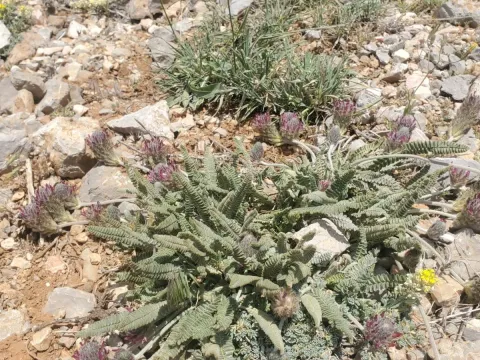
Astragalus emarginatus
Astragalus emarginatus
Astragalus emarginatus is a perennial herbaceous plant belonging to the Fabaceae family. This species is recognized for its high drought tolerance and adaptation to arid environments, making it a valuable subject for agricultural research in regions with limited water resources.
What the section contains
Astragalus emarginatus
The plant features a deep-reaching root system, which allows it to thrive in challenging soil conditions. Its botanical structure includes pinnate leaves and specialized flowers typical of the genus, contributing to its resilience in natural grassland ecosystems.
Soil requirements for Astragalus emarginatus prioritize well-drained, porous soils. It performs best in neutral to slightly alkaline pH environments, while heavy clay soils or those prone to waterlogging must be avoided to prevent root diseases and stunted growth.
Regarding climatic needs, this species demands sufficient solar radiation and thrives in regions with hot, dry summers. Its winter hardiness is generally sufficient for temperate climates, provided the soil remains free of excessive stagnant moisture during the dormant season.
Agricultural use focuses on forage production and soil improvement. As a legume, it fixes nitrogen, which benefits crop rotation cycles. When integrated into pasture management, it increases the protein content available for livestock while preventing soil erosion in arid fields.
The most significant threat to the cultivation of Astragalus emarginatus is root rot caused by poor soil drainage. When oxygen levels in the root zone are low, the plant becomes highly susceptible to fungal pathogens that can destroy the stand.
Common insect pests include weevils and aphids that specifically target leguminous plants. These pests can significantly reduce biomass yields if left unmanaged during the peak development phases of the vegetative cycle.
Effective management strategies involve the selection of resistant cultivars (if available) and rigorous weed control. Since the plant has a slow initial growth rate, reducing competition from weeds during the first year is vital for stand establishment.
Monitoring for signs of foliar diseases is also essential during humid spells. While the plant is adapted to dry conditions, excessive humidity can trigger opportunistic infections, requiring prompt inspection and, if necessary, localized treatment.
Standard agronomic practices such as proper seed treatment before sowing and maintaining optimal stand density are the best defense against threats. These measures ensure a robust plant architecture capable of resisting common environmental and biotic stressors.