
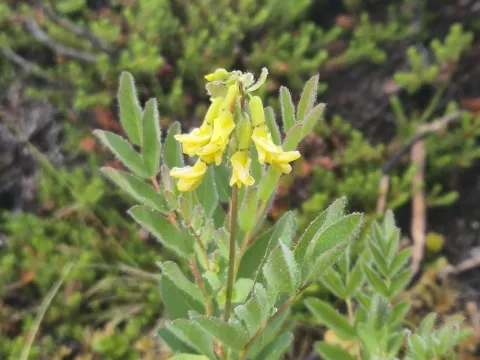
Astragalus frigidus
Astragalus frigidus
Astragalus frigidus, a member of the Fabaceae family, is a hardy perennial herb naturally adapted to cold climates. When cultivating this species, successful stand establishment begins with selecting high-quality seeds, as the species exhibits dormancy typical of many wild legumes.
What the section contains
Astragalus frigidus
The optimal sowing time is either late autumn for natural stratification or early spring, as soon as the soil is workable. These timing windows are crucial for overcoming seed dormancy and ensuring a uniform emergence, which is necessary for a competitive stand.
Seeds should be planted at a shallow depth of 1–2 cm. Given the size of the seeds, planting too deep is a common cause of failure, as the emerging shoots lack the energy reserves to reach the soil surface from greater depths.
For agricultural production, a row spacing of 30–45 cm is recommended. This spacing provides enough room for individual plants to develop a strong root system, which is essential for the longevity of the stand in both pasture and hay-cutting applications.
Scarification of seeds before planting is highly recommended to improve germination rates. By physically or chemically breaking the seed coat, growers can ensure a higher percentage of seeds absorb water and initiate development during the first growing season.
Astragalus frigidus is exceptionally cold-hardy, thriving in mountain regions and high-latitude zones where many other legumes would fail. Its physiology allows it to withstand severe winter temperatures without significant damage to the root crown.
The species prefers well-drained loamy or sandy soils. It is sensitive to waterlogging and poor soil aeration, which can lead to root rot and reduced plant vigor; therefore, site selection is critical to ensuring long-term crop productivity.
A soil pH between 6.0 and 7.5 is ideal for growth. On more acidic soils, lime application is necessary to facilitate the symbiotic relationship with rhizobia bacteria, which are responsible for nitrogen fixation in the plant's roots.
As a light-demanding crop, Astragalus frigidus should be sown in open areas with full sun exposure. Shading from competing vegetation or trees will significantly reduce the accumulation of biomass and degrade the nutritional quality of the forage.
The plant possesses a robust, deep-reaching root system that provides excellent drought tolerance once established. This enables the crop to maintain growth during periods of moisture stress, making it a reliable resource in fluctuating climates.
The primary use of Astragalus frigidus is as high-quality forage for livestock. The foliage is noted for its high protein content and palatability, which provides substantial nutritional value for cattle and small ruminants when harvested correctly.
Under optimal management, the crop can be productive for 5–7 years before needing re-establishment. Consistent management of the field, including controlled grazing or timely mowing, helps maintain high dry matter yields across multiple seasons.
For hay production, harvest must be timed to coincide with the early flowering stage. This timing optimizes the trade-off between total biomass production and the nutritional density of the plant, capturing the peak concentration of essential nutrients.
Beyond forage, this species is valuable for soil stabilization and environmental restoration. Its extensive root network anchors slopes and protects against erosion, while its nitrogen-fixing capabilities help improve soil fertility in degraded habitats.
When used in pasture management, it is important to prevent overgrazing. Periodic rest periods allow the plants to replenish root energy reserves, which is vital for the survival and rapid regrowth of the species throughout the growing season.
Fungal diseases represent the most significant threat to this crop, particularly rusts and powdery mildew. These infections tend to flare up in damp, cool environments where foliage remains wet for extended periods, reducing the overall health of the stand.
Various insect pests, such as weevils and aphids, may infest the plants. Weevils are particularly damaging because their larvae feed on internal plant tissues, often targeting the stems and reproductive organs, which can significantly decrease seed yields.
Nematodes are another concern, specifically those that attack the root system. Infested plants show stunted growth and decreased tolerance to winter conditions, which can lead to patchiness and reduced total forage output in infested fields.
Integrated pest management, including crop rotation and the destruction of nearby weed hosts, is the best strategy for control. These methods help maintain a balanced ecosystem that limits the reproduction of pests and the spread of pathogens.
Selecting disease-resistant strains or certified pathogen-free seeds is also essential. By prioritizing plant health through proper site selection and balanced fertilization, growers can minimize the need for chemical interventions.
Harvesting for hay should occur at full bloom to ensure the maximum yield of nutrients. Using equipment that is gentle on the foliage is vital, as the leaves contain a large proportion of the plant’s protein and vitamins.
Field drying should be rapid but careful to prevent bleaching, which depletes the carotenoid and vitamin content of the hay. Once baled, hay should be stored in a dry, ventilated area to prevent mold growth and preserve nutritional quality.
If harvesting for seed, timing is critical to prevent shattering. The crop should be harvested as soon as the seed pods begin to turn brown, but before they have fully opened and dropped their seeds onto the soil surface.
After mechanical harvest, seeds must be cleaned and dried to a moisture content of 12–14%. Proper drying is necessary to ensure long-term viability and to prevent heating or fungal contamination during storage in bins or bags.
Leaving the stubble in the field after the final harvest is beneficial. It serves as an insulator for the root crown and helps capture winter snow, which provides crucial moisture for the early spring revival of the stand.