
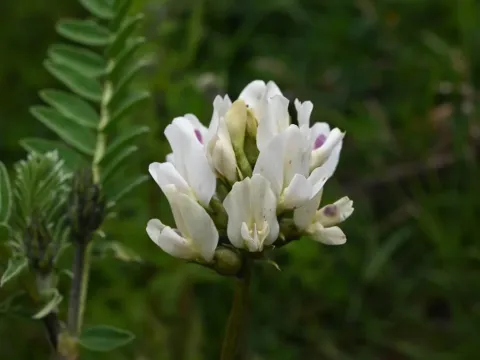
Astragalus garbancillo
Astragalus garbancillo
Astragalus garbancillo is a perennial herb belonging to the Fabaceae family. This species is native to the Andean regions of South America, naturally thriving at high altitudes ranging from 2,500 to 4,000 meters above sea level.
What the section contains
Astragalus garbancillo
The plant features a deep and robust root system, allowing it to colonize rocky, nutrient-poor, and high-altitude soils. It thrives in well-drained, slightly alkaline substrates, which are typical characteristics of the mountain slopes and valleys in its native range.
Regarding climate, Astragalus garbancillo exhibits remarkable resilience to the extreme diurnal temperature fluctuations common in the Andes. It is adapted to survive cold nights, intermittent frost, and extended periods of drought, maintaining growth where other crops might fail.
The cultivation of this plant requires careful attention to sowing density and site selection. It is a highly heliophilous plant, meaning it requires full sun exposure to reach its physiological potential; therefore, it should not be planted in shaded areas or near structures.
In agricultural practice, this species is primarily used as a forage crop for livestock, including sheep and llamas. Its role as a nitrogen-fixing legume also helps in improving soil fertility in mountainous regions, making it a sustainable choice for highland agroecosystems.
Fungal diseases, particularly root rots caused by soil-borne pathogens, represent the most significant threat during periods of excessive moisture. Maintaining proper soil drainage is the most effective preventative measure against these infections.
Insect pests, such as weevils and aphids, can cause significant damage to the biomass. These pests often target young shoots and developing seeds, which may lead to reduced yields if their populations are not monitored during the vegetative phase.
Nematode infestations can occur in sandy soils, severely impacting root development and overall plant vitality. Crop rotation and the selection of clean planting sites are essential to minimize the risk of soil-borne pest buildup.
Overgrazing by local livestock poses a systemic threat, as mechanical damage to the stems promotes the entry of secondary pathogens. Implementing rotational grazing patterns ensures the recovery and longevity of the Astragalus stand.
Effective management against diseases and pests requires a holistic approach, emphasizing the use of healthy, disease-free seed stock and maintaining environmental conditions that favor strong plant growth and resistance.