
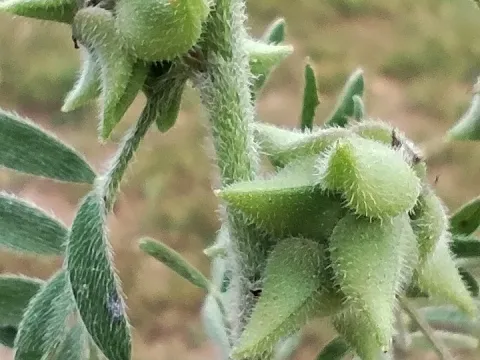
Astragalus epiglottis
Astragalus epiglottis
Astragalus epiglottis is an annual herbaceous plant, which dictates its growth cycle within a single growing season. Sowing is typically carried out in early spring when the soil temperature consistently reaches 8–10 degrees Celsius, ensuring favorable conditions for germination.
What the section contains
Astragalus epiglottis
The seeds require a well-prepared seedbed, which should be fine-textured and free of clods to ensure proper seed-to-soil contact. Sowing depth is usually maintained at 2–3 centimeters to prevent exhaustion of the seedling's energy reserves before emergence.
Seeding rates depend on the thousand-kernel weight and the target density of the crop. Standard row spacing of 15 centimeters is widely practiced, as it provides optimal space for individual plants while ensuring maximum ground cover to suppress weeds.
In arid or semi-arid regions, early sowing is crucial to take advantage of residual soil moisture from winter precipitation. Rolling the soil surface after sowing is a standard procedure to improve moisture retention and facilitate uniform emergence of sprouts.
Quality control of the seed material is essential, including germination tests performed prior to sowing. Utilizing certified, clean seeds minimizes the risk of introducing pathogens and weeds into the cultivated fields.
This crop thrives in light, well-drained soils, particularly sandy or loamy-sand textures that allow for excellent aeration. Astragalus epiglottis is notable for its tolerance to saline environments, making it a viable candidate for marginal land rehabilitation.
The species is highly drought-tolerant, adapted to the environmental stressors of Mediterranean and steppe climates. Conversely, it is highly sensitive to waterlogging, as excessive soil moisture quickly promotes root rot and reduces overall plant vigor.
High light intensity is a fundamental requirement for the development of Astragalus epiglottis. Shaded areas significantly diminish photosynthetic activity, leading to reduced biomass production, thinner stems, and overall poor developmental growth.
While nitrogen fertilizer usage can be reduced due to the plant's symbiotic relationship with nitrogen-fixing bacteria, phosphorus and potassium applications are essential for robust root development and seed maturation.
Optimal temperatures for active growth range from 20 to 28 degrees Celsius. The crop exhibits remarkable resilience against high heat, maintaining metabolic functions under conditions where many other forage crops experience stunted growth.
The biomass yield of Astragalus epiglottis is primarily influenced by seasonal rainfall and soil fertility. Under favorable agricultural conditions, it can yield 10–15 tons of green forage per hectare, making it a valuable contributor to regional livestock feed supplies.
Seed production is another vital aspect of its cultivation. When managed correctly, seed yields range between 0.5 and 1 ton per hectare, providing a reliable source for subsequent cropping seasons and supporting the maintenance of plant stands.
The yield potential is strongly correlated with the timely management of competition from weeds during the early vegetative stages. Effective weed control can prevent yield losses exceeding 30 percent in untreated plots.
As a legume, the crop leaves behind significant organic matter and fixed nitrogen in the soil, enhancing the overall soil structure. This makes it an excellent predecessor for subsequent cereal crops in standard agricultural rotations.
Economic returns are optimized by balancing biomass harvest for fodder and seed harvesting. Strategic timing ensures that the farmer maximizes the utilization of the crop's biological potential while preparing the field for future cycles.
Fungal diseases, particularly Fusarium wilt and powdery mildew, represent the primary biological threats to the crop. These pathogens thrive under conditions of high humidity, necessitating proper spacing and drainage to maintain plant health.
Root-feeding pests, such as nodule weevils, can cause significant damage during the early growth phase by affecting both the root system and the leaves. Monitoring at the seedling stage is critical to timely intervention and crop protection.
Aphids may cause severe damage by feeding on reproductive organs, specifically buds and young pods, which leads to reduced seed quality and lower yields. Systemic insecticides are often employed if infestation levels exceed economic thresholds.
Weeds compete aggressively during the first month of development. Mechanical weed control via harrowing is a common practice used to suppress unwanted vegetation without damaging the relatively fragile young legume plants.
Rust diseases, characterized by pustule formation on leaves, can occur during periods of high humidity and moderate temperatures. Selecting resistant genotypes and following crop rotation guidelines are the most effective strategies for mitigation.
Harvesting for green fodder is conducted during the full bloom stage to ensure the highest protein content and digestibility. Forage mowers are used to cut the plants at the appropriate height for rapid regrowth or soil incorporation.
Seed harvesting is performed using combine harvesters when approximately 70–80 percent of the pods have reached maturity. Avoiding over-maturation is vital to prevent pod shattering and subsequent seed losses during the harvesting process.
Post-harvest handling involves immediate drying of the seed material to a moisture content of 12–14 percent. This prevents fungal growth in storage and maintains high seed viability for the following growing season.
When producing hay, the crop should be windrow-dried carefully to minimize the loss of leafy material, which contains the majority of the nutrients. Proper drying ensures the production of high-quality forage suitable for winter feeding.
Storage of the final product requires dry, well-ventilated facilities to prevent moisture accumulation and pest infestations. Proper storage conditions safeguard the nutritional value of the forage or the viability of the seed stock until use.