
Astragalus cymbaecarpos
Astragalus cymbaecarpos
Description
Sowing dates
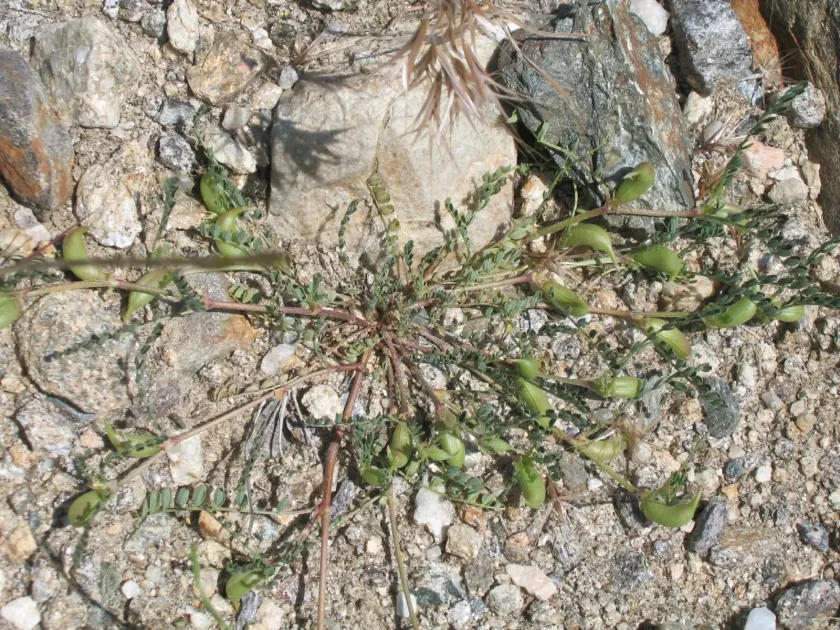
Astragalus cymbaecarpos is a perennial legume species characterized by its remarkable resilience in arid and semi-arid environments. Belonging to the Fabaceae family, it possesses the natural ability to fix atmospheric nitrogen, contributing to soil fertility improvement.
The optimal time for sowing is early spring when soil temperatures stabilize, allowing for uniform germination. Due to the hard seed coat inherent in many Astragalus species, mechanical scarification is recommended to break dormancy and ensure high field emergence.
Seeds should be planted at a shallow depth of 2–3 centimeters. Proper soil-to-seed contact is essential for successful establishment, requiring a well-prepared seedbed that is firm yet not overly compacted to allow for root penetration.
The plant develops an extensive taproot system, which is a key trait for its survival in water-limited conditions. This biological feature allows the crop to draw moisture from deeper soil layers, maintaining growth even during dry spells.
Field density must be carefully managed during the sowing phase. Providing adequate space between rows facilitates better airflow and light interception, which are crucial for minimizing disease pressure and maximizing biomass production.
Growing requirements
This crop thrives in areas with high solar radiation and low relative humidity. It is particularly well-adapted to steppe and desert regions where it can utilize full sun to fuel its development without excessive moisture stress.
Soil requirements focus on neutrality or slight alkalinity. High soil acidity can inhibit the symbiosis between the roots and Rhizobium bacteria, which is essential for nitrogen fixation, so liming might be required on acidic sites.
Drainage is the most important soil factor, as Astragalus cymbaecarpos does not tolerate waterlogging. Soils with high clay content or poor structure can lead to root suffocation and increased risk of fungal pathogens.
Temperature range tolerance is broad, as the species is native to continental climates. It can handle significant daily temperature fluctuations, though extreme frosts during the early spring regrowth phase should be monitored.
Nutritional requirements are moderate. While the plant can secure its own nitrogen, phosphorus and potassium fertilization during seedbed preparation can provide a significant boost to initial growth and overall crop vigor.
Main diseases and pests
Weevils represent the primary group of insect pests affecting the development of this legume. They can cause damage to both foliage and developing pods, necessitating monitoring during the vegetative and reproductive stages.
Powdery mildew and various leaf spot diseases may appear if canopy density becomes too high, reducing airflow. Ensuring proper plant spacing is the most effective preventative measure against these common fungal issues.
Root rot pathogens represent a significant threat when soil moisture levels are mismanaged. Avoiding fields with high water tables or poor internal drainage is essential to preventing the spread of these soil-borne diseases.
Aphids can cause localized damage by sucking plant sap, which potentially weakens the plant and stunts growth. Integrated pest management strategies, focusing on biological control and regular inspection, are highly recommended.
Preventative measures also include maintaining a strict crop rotation schedule. Growing the crop on the same site for several consecutive years increases the likelihood of pest accumulation and disease outbreaks in the soil.