
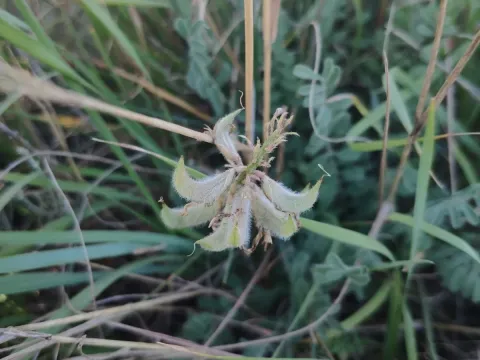
Astragalus concavus
Astragalus concavus
Astragalus concavus is a perennial legume highly valued for its resilience and adaptability. It originates from regions with challenging environmental conditions, demonstrating high drought and frost resistance which makes it suitable for arid and semi-arid climates.
What the section contains
Astragalus concavus
The crop thrives in well-drained, calcareous, and light-textured soils. It is sensitive to excessive moisture and waterlogging, which can cause root damage and reduce overall plant vitality. Proper field drainage is essential for successful establishment.
As a nitrogen-fixing legume, Astragalus concavus enhances soil fertility by forming symbiotic relationships with specialized nodule bacteria. This natural process improves soil structure and reduces the need for synthetic nitrogen fertilizers in crop rotations.
This species requires high light intensity for optimal growth and should be planted in open areas. It does not tolerate shading from taller weeds or canopy cover, which may lead to stunted development during the vegetative stage.
The plant possesses a deep taproot system, enabling it to access moisture from subsoil horizons. This biological feature allows the crop to maintain productivity even during periods of limited rainfall.
Sowing should be performed in early spring when soil temperatures reach 5–8 degrees Celsius. Careful seedbed preparation is vital, ensuring the soil is finely crumbled and free from deep-rooted perennial weeds.
Seed scarification is a mandatory agronomic procedure to break dormancy caused by the hard seed coat. Without this process, water absorption is limited, leading to uneven germination and poor crop density.
The recommended planting depth is 2–3 centimeters, depending on the soil type. Applying roller compaction after sowing helps ensure adequate seed-to-soil contact, which is crucial for quick emergence.
Row spacing is determined by the intended purpose: wider rows are utilized for seed production to facilitate maintenance, while narrow row spacing is preferred for biomass production to maximize yield.
During the first year, Astragalus concavus exhibits slow initial growth. Weed management during this phase is essential, as the young plants are easily outcompeted by fast-growing weeds.
The forage yield of Astragalus concavus is consistently stable under varied climatic conditions. It provides high-protein biomass that is highly palatable for livestock, making it a reliable resource for fodder production.
Under favorable conditions with adequate moisture, the crop can support multiple cuts throughout the growing season. This versatility allows farmers to manage their feed supplies more effectively.
Nutritional analyses show that the crop is rich in essential minerals, vitamins, and crude protein, making it an excellent component for silage and hay rations for cattle and sheep.
Seed yield varies depending on weather patterns during the flowering stage. Optimal humidity and temperature promote better pod set, significantly increasing the harvest volume.
The long-term productivity of the stand is a significant economic benefit. When managed properly, the crop can remain productive for up to 7 years, reducing the costs associated with frequent field replanting.
Pest management is focused on controlling insects such as weevils, which specifically target the developing pods and seeds. Effective scouting during the flowering stage is necessary to determine the need for intervention.
Fungal diseases like powdery mildew and rust are common threats, especially in areas with high air humidity or dense foliage. Preventive measures, such as proper field ventilation and seed treatment, are recommended.
Weed competition is most critical in the year of establishment. Integrating mechanical cultivation between rows and selective herbicides is effective in maintaining a clean crop stand until the plants fully establish.
Soil-borne pathogens can affect root health if the field is poorly drained or if the crop is subjected to intense stress. Maintaining soil health through appropriate rotation cycles is a key preventative strategy.
Monitoring the plant stand for signs of chlorosis or damage is important, as early detection of nutritional deficiencies or pest pressure allows for timely and targeted agronomic action.
The optimal harvest time for hay production is during the full flowering phase. Harvesting at this stage ensures the best nutritional quality and allows the plant enough time to recover for subsequent cuts.
For seed production, a two-phase harvest is recommended. Mowing should start when approximately 70–80% of the pods turn brown to minimize seed shattering losses in the field.
Post-harvest processing involves cleaning seeds to remove debris and drying them to a moisture content of 12–14%. Proper storage conditions in dry, ventilated bins are necessary to maintain high germination rates.
Cutting height for forage should be kept at least 7–10 centimeters above the ground. This preserves the plant’s meristematic tissues and ensures vigorous regrowth for future seasons.
Consistent harvest management is essential for long-term sustainability. By adhering to recommended schedules, farmers can optimize both the quantity and quality of their forage yield.