
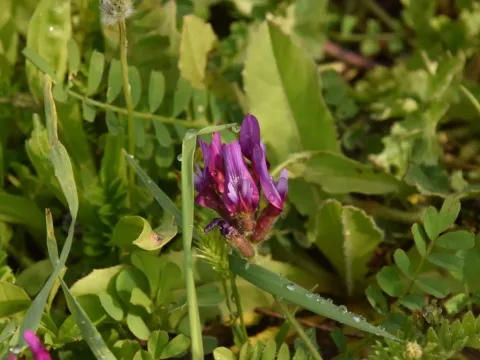
Astragalus callichrous
Astragalus callichrous
Astragalus callichrous, belonging to the Fabaceae family, is a perennial herbaceous crop characterized by a strong taproot system. The seeds have a hard seed coat, which necessitates mechanical or chemical scarification prior to planting to enhance germination rates and uniformity.
What the section contains
Astragalus callichrous
The optimal sowing period is early spring, once soil temperatures reach 8–10 degrees Celsius. Early establishment allows the crop to utilize stored winter soil moisture, which is essential for uniform seedling emergence in the arid environments where this species typically thrives.
Seeding rates generally range from 8 to 12 kg per hectare, depending on the row spacing. Seeds should be planted at a depth of no more than 2–3 cm, as deeper placement may result in seedling failure due to limited energy reserves during the emergence phase.
Inoculation with species-specific Rhizobium bacteria is a vital component of the sowing process. This practice ensures effective nitrogen fixation, which significantly reduces the reliance on synthetic nitrogen fertilizers and promotes vigorous vegetative growth.
Field preparation requires a clean, firm seedbed. As Astragalus species have a relatively slow initial growth rate, early weed suppression is crucial to prevent competition that could severely stunt the establishment of the crop in its first year.
This crop has moderate climatic requirements and prefers regions with ample sunlight during the vegetative season. Astragalus callichrous is notably drought-tolerant, utilizing its deep root system to access water in deeper soil profiles during dry spells.
The highest yields are achieved on fertile chernozem or chestnut soils with a neutral or slightly alkaline pH. It is strictly advised to avoid heavy, poorly drained clay soils, as waterlogging is a primary factor leading to root rot and poor stand survival.
Water requirements peak during the stem elongation and budding phases when the plant builds up its biomass. If drought conditions occur during these stages, both fodder quality and seed yield potential are likely to be significantly reduced.
The plant exhibits good winter hardiness, allowing it to withstand cold temperatures and recover rapidly in early spring. This characteristic ensures a reliable start to the growing season and allows for early biomass harvesting.
Standard agronomic management includes inter-row cultivation during the early growth stages to maintain aeration and moisture levels. A balanced nutrition program, focusing on phosphorus and potassium, helps strengthen the root system and improves stress resistance.
The primary insect pests affecting this crop are nodule weevils, which can cause significant damage to young seedlings. Additionally, various species of cutworms and leaf-rollers may feed on foliage, necessitating periodic scouting of the fields.
Fungal diseases, particularly leaf spots, are most prevalent under conditions of high humidity or poor field ventilation. Preventive measures include choosing appropriate plant densities and ensuring that the canopy allows for adequate airflow.
Root rots are often triggered by improper soil management, such as soil compaction or excessive moisture accumulation. Fungicide applications may be required if disease pressure becomes severe, although good cultural practices remain the first line of defense.
Small rodents can pose a threat to the root system during winter months. Implementing consistent pest monitoring and control programs in the surrounding areas is an effective strategy to mitigate potential crop damage from rodent activity.
Adhering to a strict crop rotation cycle, with a 4–5 year break between Astragalus crops on the same field, is essential for disrupting the lifecycle of soil-borne pathogens and specialized pests that could otherwise accumulate.
For forage purposes, the crop should be harvested during the flowering stage to maximize protein content. Delaying the harvest leads to stem lignification, which reduces both the digestibility and the nutritional quality of the fodder for livestock.
When cultivated for herbal or medicinal raw materials, harvest should take place at peak flowering. Mowing should be conducted at a height of 5–7 cm above the ground to protect the crown and nodes, ensuring rapid regrowth for subsequent cuts.
Seed harvesting should occur when approximately 60–70% of the pods turn brown. When using mechanical harvesters, combine settings must be carefully calibrated to minimize the risk of damaging the fragile seeds during threshing.
Post-harvest processing involves immediate cleaning and drying to a moisture content of 12–14%. Proper storage conditions in a well-ventilated, dry facility are crucial to maintain seed viability and germinability for future planting seasons.
Maintaining high yields over several years requires post-cut fertilization to replenish soil nutrients. With proper management, it is possible to achieve 2–3 successful harvests throughout a single growing season.