
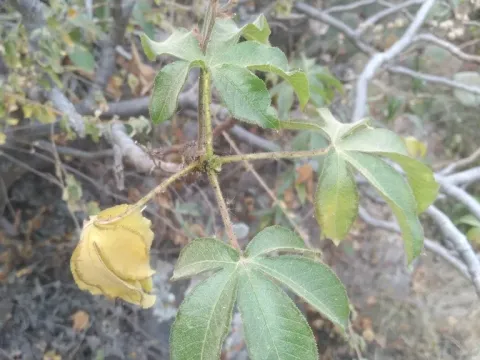
Jatropha clavuligera
Jatropha clavuligera
Jatropha clavuligera is a distinct member of the Euphorbiaceae family, known for its thickened, succulent stem. The sowing process typically begins at the start of the warm season, as the plant requires stable warm temperatures to germinate effectively and develop a healthy root system.
What the section contains
Jatropha clavuligera
Seeds should be sown in a well-draining, sandy-based substrate. A sowing depth of approximately 2-3 centimeters is recommended, allowing the seed to maintain contact with moisture while receiving enough light for optimal emergence of the initial growth.
Germination usually occurs within two to three weeks under consistent temperatures between 22 and 26 degrees Celsius. Providing a stable environment during this stage is crucial, as the young seedlings are highly sensitive to sudden changes in humidity or temperature.
In addition to seeds, the plant can be propagated via cuttings. This method involves taking healthy stem segments, allowing the cut end to callus over for several days to prevent rot, and then planting them in a dry, sandy medium to encourage rooting.
Once the seedlings or rooted cuttings are established, they require significant space to grow. Proper spacing is essential for air circulation and light exposure, which are vital for the long-term health and structural development of these succulent shrubs.
This species thrives in well-drained soils, ideally sandy or rocky, with minimal organic matter. Waterlogged conditions are extremely detrimental, as the succulent nature of the plant makes it highly susceptible to rot if excess moisture remains around the root zone.
Jatropha clavuligera is highly sun-loving and requires full exposure to thrive. In low-light environments, the plant will quickly become leggy and structurally weak, losing its characteristic compact and thickened stem shape which is essential for its survival.
Watering practices should mimic its natural environment in arid regions: provide deep watering during the active growth period, followed by long intervals of drying out. During the dormant winter season, irrigation should be significantly reduced or suspended.
The optimal pH range for this plant is between 6.0 and 7.5, fitting into the neutral to slightly acidic category. While the plant can tolerate nutrient-poor soils, a light application of a balanced phosphorus-potassium fertilizer can aid in healthy tissue development.
Temperature is a key limiting factor for its cultivation. It cannot survive frost or prolonged cold periods. If grown in non-tropical climates, the plant must be kept in greenhouses or brought indoors during winter months to ensure protection from freezing temperatures.
The most common threat to this plant is root rot, typically caused by improper watering and soil that does not drain quickly. Symptoms include soft patches on the stem and wilting leaves, which indicate that the plant is struggling to manage moisture levels.
Pests such as spider mites and aphids frequently target the succulent tissue, especially when the plant is kept in dry, indoor conditions with poor ventilation. Regular inspection and the use of appropriate insecticidal soap are recommended for control.
Fungal leaf spot diseases can occur during periods of high humidity or poor airflow. These pathogens manifest as discolored spots on the leaves, which can spread if not treated with systemic fungicides or by improving the plant's surrounding environment.
Nematode infestations in the soil can compromise the root system, leading to a noticeable decline in plant vigor. Prevention is the best strategy, involving the use of pasteurized soil and clean, disease-free planting containers or plots.
Mechanical damage to the succulent stem can serve as an entry point for opportunistic pathogens. It is essential to use sterilized cutting tools during any pruning process and to ensure that all wounds are kept dry to allow for natural callusing.