
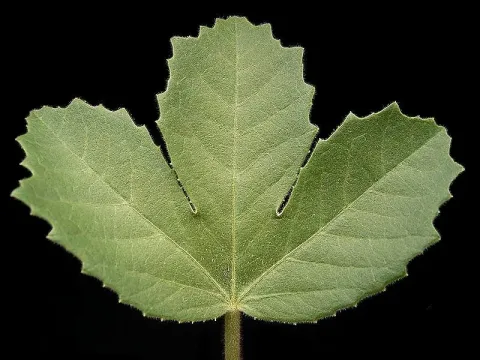
Jatropha ellenbeckii
Jatropha ellenbeckii
Jatropha ellenbeckii is a perennial shrub belonging to the Euphorbiaceae family. Native to the arid regions of East Africa, including Ethiopia and Somalia, this plant is well-adapted to harsh environmental conditions with limited water availability.
What the section contains
Jatropha ellenbeckii
Botanically, this species acts as a succulent, storing water within its thickened stems to survive extended dry seasons. Its leaves are generally small and drought-deciduous, allowing the plant to conserve moisture effectively during the most intense heat periods.
Successful cultivation requires extremely well-draining soil, preferably sandy or rocky substrates. Waterlogging is the primary cause of failure, as stagnant moisture quickly leads to rot in the root system, a common issue for many desert-adapted plants.
The plant thrives in high-temperature environments with significant solar exposure. It is highly intolerant of shade, which can cause excessive elongation of the branches and reduce the overall structural integrity of the shrub.
In terms of economic potential, the species is investigated for its oil-rich seeds, similar to other plants in the Jatropha genus. Its remarkable resilience makes it a subject of interest for bioenergy research in arid and semi-arid zones where traditional agriculture is not viable.
The most significant threats to Jatropha ellenbeckii in agricultural settings are fungal pathogens that flourish in humid or waterlogged conditions. Root rot and stem decay are common symptoms of improper irrigation management.
Pests such as spider mites and scale insects can pose a challenge, particularly in nursery or greenhouse conditions with limited airflow. These pests sap the plant's vitality and may cause damage to the tender growth points.
Prevention involves maintaining an optimal environment with excellent ventilation and dry conditions between watering intervals. Monitoring for early signs of infestation allows for localized treatment before a population outbreak occurs.
When chemical intervention is necessary, it is vital to select products that are safe for succulents, as the plant can be sensitive to certain synthetic pesticides. Using biological control methods is generally preferred for sustainable crop management.
Regular inspection is essential for maintaining plant health. Prompt removal of damaged tissue can help prevent the spread of infections throughout the crop, ensuring the longevity and productivity of the plantings.