
Jatropha cardiophylla
Jatropha cardiophylla
Description
Growing requirements
Jatropha cardiophylla is a deciduous shrub species belonging to the Euphorbiaceae family. Native to the Sonoran Desert, it typically thrives in rocky areas, often found growing in the crevices of canyon walls or mountain slopes in Arizona and Mexico.
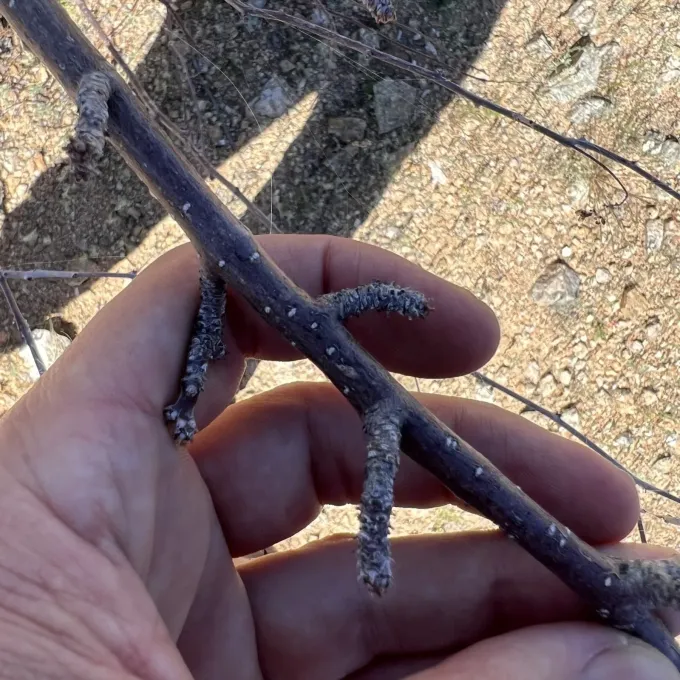
The plant features distinct heart-shaped leaves and a thickened, caudiciform root system that stores water, serving as a survival mechanism during long periods of severe drought. During the dormant season, the plant sheds its foliage to minimize water loss and protect its internal resources.
Regarding cultivation, this species requires a location with high exposure to sunlight and excellent drainage capabilities. Standard potting mixes must be amended with grit, coarse sand, or pumice to prevent root asphyxiation, as the plant is highly prone to rot in waterlogged conditions.
Temperature management is crucial, as the plant demands warmth during its growing phase and cannot tolerate freezing temperatures. In winter, it should be kept in a dry environment with moderate temperatures to allow it to enter a dormant state without suffering from cold damage.
The utility of Jatropha cardiophylla lies primarily in its use as a specimen plant for xeriscaping and desert landscaping. Its unique architectural form makes it a sought-after choice for succulent collections and dry gardens where irrigation management is a key priority for landscape designers.
Main diseases and pests
Root rot is the most significant threat to Jatropha cardiophylla, usually caused by overwatering or soil that retains too much moisture. Once the root system is compromised by fungal pathogens, recovery becomes extremely difficult, necessitating careful irrigation planning.
Spider mites are a common pest issue, especially when the plant is kept in low-humidity indoor environments. These pests feed on the leaves, causing stippling and eventual leaf drop, which weakens the plant significantly during the active growing cycle.
Mealybugs represent another potential threat, often hiding in the crevices of the stems or leaf junctions. Effective management involves physical removal or the application of selective insecticides that are safe for succulents and do not damage the plant's waxy coating.
Inadequate airflow can lead to the accumulation of moisture on the plant's surface, encouraging the growth of various molds and mildews. Ensuring a well-ventilated environment is essential for the long-term health and structural integrity of the stems and foliage.
General pest resistance is considered high when the plant is kept in conditions mimicking its natural desert environment. Proper maintenance of the ecological balance around the shrub is the best defense against invasive insects and pathogenic infestations.