
Jatropha acuminata
Jatropha acuminata
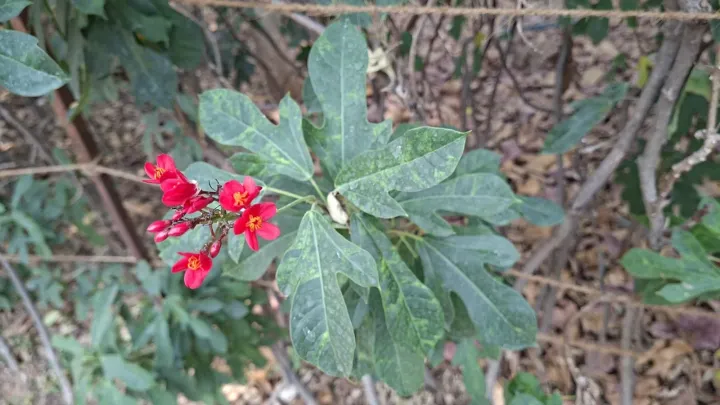
Description
Growing requirements
Jatropha acuminata is a resilient shrub belonging to the Euphorbiaceae family. It is recognized for its woody structure and its capacity to thrive in tropical environments where moisture and heat are sufficient for sustained vegetative growth.
Originating from the American tropics, the species has evolved to withstand variations in rainfall. It is primarily found in arid to semi-arid tropical zones, which indicates a robust evolutionary adaptation to nutrient-poor and rocky soil conditions.
The climate requirements are strictly tropical, necessitating high temperatures throughout the year. Jatropha acuminata requires full sun exposure to maximize seed production and avoid physiological stress associated with shade and humidity.
Soil quality is paramount; the plant demands excellent drainage. While it can survive on degraded soils, its optimal development occurs in slightly acidic to neutral well-draining loamy soils where water infiltration is high.
The economic value of this crop is tied to the oil content of its seeds, which is suitable for the production of biodiesel and various industrial oils. Its potential as a non-food crop makes it a valuable asset for renewable energy initiatives in tropical regions.
Main diseases and pests
The primary threat to the crop involves fungal infections, particularly Phytophthora and various species of root rot. These pathogens thrive in waterlogged environments and can quickly decimate a healthy plantation if drainage is insufficient.
Common pests include spider mites and mealybugs, which tend to infest the soft tissues of the leaves and stems. These pests can significantly reduce the photosynthetic capacity of the plant if left untreated.
Leaf spot diseases, often caused by Cercospora species, are a frequent problem in regions with high seasonal humidity. These infections can lead to premature leaf drop and decreased overall yield potential.
While the toxic latex within the plant serves as a natural defense mechanism against many herbivores, it does not fully deter specialized sap-sucking insects that have adapted to the chemistry of the Euphorbiaceae family.
Effective management requires a proactive approach to soil drainage and the maintenance of appropriate plant spacing, ensuring that airflow is maximized to reduce the risk of localized disease outbreaks.