
Irish spurge
Euphorbia hyberna
Description
Growing requirements
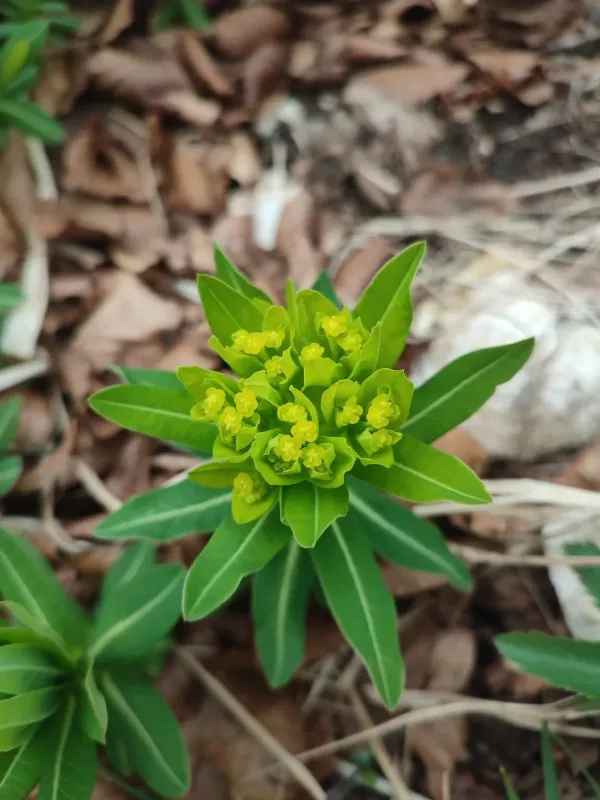
Irish spurge (Euphorbia hyberna) is a perennial herbaceous plant belonging to the Euphorbiaceae family. It is native to Western Europe, with its natural range extending through parts of Ireland, France, and Spain, where it thrives in moist woodlands and meadows.
The plant requires well-draining, fertile soil to reach its full potential. While it prefers moist conditions, it is sensitive to waterlogged environments, which can damage its root system during the dormant winter months.
Climate-wise, Euphorbia hyberna is remarkably hardy, which is indicated by its specific epithet. It is well-suited to temperate climates and handles cool winters effectively, provided it is planted in an appropriate location.
Light requirements for this species include full sun to partial shade. In areas with intense summer heat, light afternoon shade is beneficial to prevent leaf scorching and to maintain the plant's overall vigor during the hottest part of the season.
Cultivation practices involve minimal maintenance beyond initial soil preparation. It responds well to organic mulching, which helps to retain soil moisture and suppresses weeds, ensuring the plant has enough resources to grow during the spring.
Main diseases and pests
Root rot is the most significant threat to the Irish spurge, primarily occurring in heavy or poorly drained soils. Providing proper drainage is essential for the longevity of the plant in any garden setting.
Aphids are the most common pests, often clustering on new growth and flower buds. These insects can be managed through physical removal or by applying insecticidal soaps if the population begins to negatively impact the plant's growth.
Spider mites may occasionally infest the plant during prolonged dry spells. Increased humidity or strategic watering can help prevent mite outbreaks, as these pests generally thrive in hot and arid environments.
Powdery mildew can affect the foliage in conditions of poor air circulation. Thinning out the plantings or ensuring adequate space between plants promotes better airflow and reduces the probability of a fungal infection.
The plant exudes a milky white sap when cut or broken, which is toxic and irritating. Gardeners should always wear gloves and long sleeves when pruning or handling the plant to prevent dermatitis and protect eyes from contact with the sap.