
Croton lechleri
Croton lechleri
Croton lechleri is a prominent tree species belonging to the Euphorbiaceae family, native to the tropical rainforests of the Amazon basin in South America.
What the section contains
Croton lechleri
The plant thrives in humid tropical climates, requiring consistent temperatures and high annual rainfall to sustain its rapid biomass production cycle.
Ideal soil conditions for the cultivation of this species include well-draining, nutrient-rich soils with a slightly acidic profile common in its natural habitat.
Agricultural management requires careful site selection, as the tree exhibits high growth rates but necessitates protection from extreme conditions during its early establishment phase.
Modern cultivation efforts focus on sustainable practices that mimic natural forest dynamics to ensure the longevity of the plant and the quality of its sap.
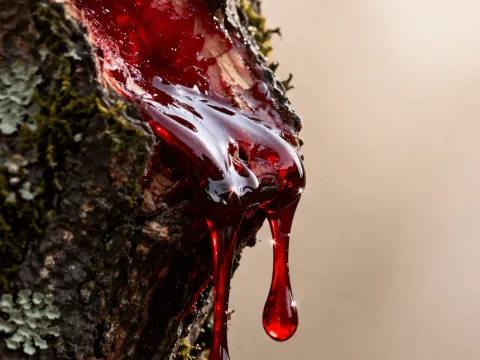
The primary agricultural output of Croton lechleri is its red latex, popularly known as 'Dragon's Blood', which is tapped from the trunk of mature trees.
Harvesting involves systematic, shallow incisions into the bark, allowing the sap to flow into collection vessels without causing long-term structural damage to the tree.
After collection, the latex is processed through filtration to remove impurities and then stabilized, serving as a critical ingredient in dermatological and medicinal products.
Beyond the resin, the tree species contributes to reforestation and soil stabilization projects, making it a multifaceted biological asset for tropical regions.
The yield of the resin is influenced by the tree's health, age, and climatic stressors, emphasizing the importance of sustainable management and seasonal timing.
Threats to the crop include various pathogens, particularly fungi that exploit the incisions made during sap extraction to colonize the tree's vascular system.
Common insect pests, such as scales and mites, can negatively impact foliage health, potentially reducing the photosynthetic capacity of the trees if left unchecked.
Environmental stress, including prolonged droughts or excessive soil moisture, can render the trees more vulnerable to secondary opportunistic infections.
- Fungal trunk decay
- Scale insect infestations
- Leaf spot diseases
- Root rot due to poor drainage
Effective management strategies rely on integrated pest control and adherence to precise harvesting protocols to minimize the risk of infection and preserve the economic viability of the plantation.