
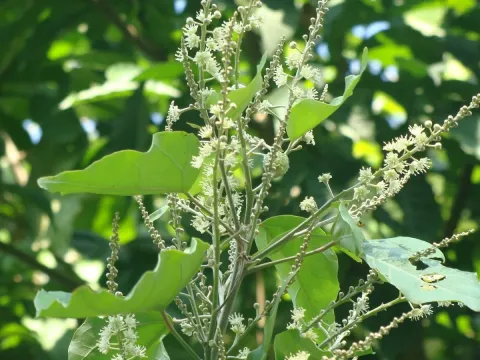
Croton reflexifolius
Croton reflexifolius
The sowing of Croton reflexifolius is primarily conducted in controlled nursery environments where stable high temperatures and substrate moisture are maintained. The seeds of this plant have a pronounced dormancy period, necessitating pre-sowing seed scarification to improve germination rates.
What the section contains
Croton reflexifolius
The optimal time for sowing occurs at the beginning of the rainy season, which provides the young seedlings with natural adaptation to climatic shifts. Using loose, well-draining soil enriched with organic compost is an essential requirement for the successful establishment of the crop.
The seeding depth should not exceed two centimeters to prevent inhibiting germination while ensuring sufficient oxygen access. After sowing, the plots or containers should be shaded to avoid direct sunlight, which can dry out the surface layer of the soil.
Transplanting young seedlings to their permanent growing location is carried out when they reach a height of 20–25 centimeters. During planting, it is crucial to follow spacing guidelines that ensure sufficient canopy aeration to prevent fungal infections.
Regular irrigation during the first months after sowing is a critical factor for the development of a strong root system. As the plant becomes established, the irrigation frequency is gradually reduced to moderate levels.
Croton reflexifolius belongs to the Euphorbiaceae family and is a typical representative of tropical flora that prefers well-lit areas with light, diffused sunlight. The plant is extremely sensitive to sudden temperature fluctuations and frost.
Successful growth and development of the crop require fertile soils with a neutral or slightly acidic pH value. Water stagnation in the root zone is detrimental to this species, so preference is given to areas with natural drainage.
The temperature range should remain between 22–30 degrees Celsius throughout the entire vegetation period. The crop demonstrates high resistance to drought conditions, provided there is prior moisture accumulation in the deeper soil horizons.
In its natural habitat, the plant is found on dry slopes and in forest areas where it has adapted to limited nutrient availability. Nitrogen fertilization during the early growth phase promotes more intensive vegetative mass development.
Protection from strong winds is necessary to maintain the integrity of the fragile croton shoots, especially in the first years of the plant's life. In commercial cultivation, soil mulching is often practiced to retain moisture and suppress weed growth.
The main phytosanitary risks for Croton reflexifolius are associated with excessive humidity, which triggers the development of root rot and leaf spot diseases. Prevention includes maintaining proper planting distance and timely sanitary pruning.
Common pests include spider mites and various types of scale insects that infest the underside of leaf blades. Regular inspection of the plantations allows for early identification of problems and the application of biological insecticides.
When the bark or branches are damaged, the plant exudes a characteristic milky sap, which serves as a natural defensive barrier against certain phytophagous insects. However, damaged areas require disinfection to prevent secondary infections.
Limited use of chemical pesticides is recommended due to the potential accumulation of active ingredients in plant tissues used for medicinal purposes. Preference is given to agrotechnical control methods.
Monitoring the state of the plantations during hot periods allows for the control of pest populations, which become more active when the plant's immunity is weakened by moisture stress or lack of nutrients.