
Croton heterochrous
Croton heterochrous
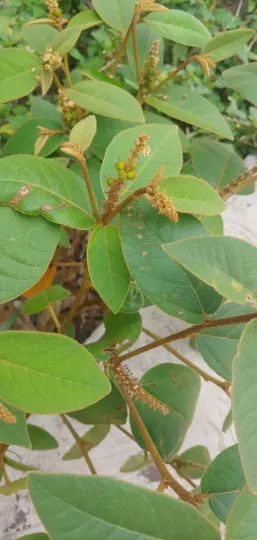
Description
Growing requirements
Croton heterochrous is a notable species within the Euphorbiaceae family, recognized for its vibrant foliage and high ornamental value. As a perennial plant, it is widely utilized in the horticultural industry for interior landscaping and greenhouse production.
Native to the tropical regions of South America, this plant thrives in environments characterized by high ambient humidity and consistently warm temperatures. In commercial production, growers must maintain temperatures above 18°C to ensure optimal physiological activity and color development.
The cultivation of this crop requires a well-draining, nutrient-rich substrate with a slightly acidic pH. The root system is sensitive to waterlogging, necessitating the use of porous media such as peat-based mixtures enriched with perlite or vermiculite to facilitate aeration.
Light intensity is the primary determinant of leaf coloration. Croton heterochrous requires bright, filtered light to maintain its characteristic variegated patterns. Insufficient light exposure leads to chlorophyll dominance, causing the foliage to revert to a uniform green color and reducing its market appeal.
Economically, the plant is valued for its role in decorative plant production. It serves as a staple crop for indoor gardening and professional interior design, prized for its ability to provide structural contrast and color variation in indoor ecosystems.
Main diseases and pests
Common pest challenges for Croton heterochrous include spider mites, scale insects, and mealybugs. These pests thrive in indoor environments with low humidity, where they colonize the undersides of leaves and leaf axils, extracting sap and inducing plant stress.
Root rot is the most significant pathological threat to this crop. It is typically triggered by overwatering and poor drainage, which creates an anaerobic environment favorable for pathogenic fungi such as Phytophthora and Pythium species, eventually leading to plant collapse.
Anthracnose, a fungal disease, may also affect the foliage, manifesting as dark, sunken lesions on the leaves. This disease is exacerbated by high humidity coupled with poor air circulation, which prevents the leaf surface from drying, allowing fungal spores to germinate.
Management of these threats involves a multi-pronged approach, including cultural practices like regular leaf cleaning and chemical control using systemic insecticides or fungicides. Maintaining strict hygiene in the cultivation area is crucial to prevent the spread of infections between plants.
Proactive monitoring is essential to catch pest infestations early. Integrated pest management (IPM) strategies, including biological control agents or targeted pesticide applications, are recommended to maintain plant health while minimizing chemical residues in interior environments.