
Croton pseudopulchellus
Croton pseudopulchellus
Croton pseudopulchellus is a hardy evergreen shrub belonging to the Euphorbiaceae family. It is native to the tropical and subtropical regions of Southern and Eastern Africa, where it thrives in dry woodland environments and diverse scrublands.
What the section contains
Croton pseudopulchellus
The plant requires full sun to partial shade for optimal health and growth. It is well-adapted to well-draining soil types, specifically sandy loam and rocky substrates that prevent water accumulation, which is essential for maintaining the integrity of its root system.
Regarding climate, this species prefers temperatures ranging from 20°C to 28°C. While it displays notable drought tolerance due to its evolutionary adaptation to African climates, it requires consistent watering during the establishment phase to ensure long-term vitality.
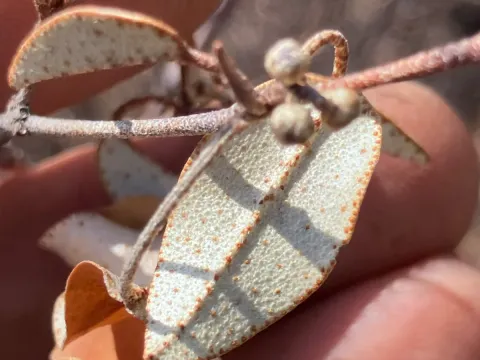
Botanically, the species is characterized by its slender, leather-like leaves that are often covered in fine scales, providing a distinct appearance. The plant also possesses secretory glands that produce complex volatile organic compounds, making it a subject of interest in ethnobotanical studies.
In terms of usage, Croton pseudopulchellus is recognized for its medicinal potential due to its diterpenoid content. It is also utilized in landscape design in tropical regions for its structural foliage and overall hardiness against environmental stressors.
The main threat to this plant is root rot, typically caused by overwatering or poor drainage conditions. Ensuring that the soil remains breathable is critical to avoiding fungal proliferation in the root zone.
Pest issues often involve spider mites and scale insects that feed on the sap of the foliage. Regular monitoring and the application of horticultural oils or approved pesticides can effectively mitigate these threats and protect plant health.