
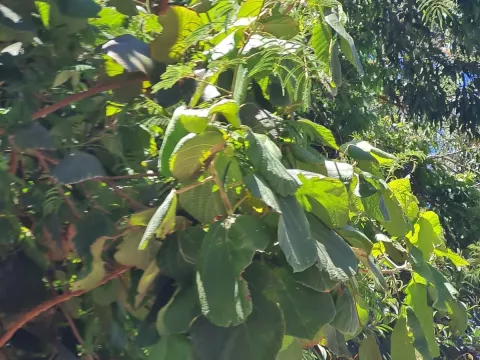
Alchornea
Alchornea
Alchornea is a diverse genus of evergreen trees and shrubs belonging to the Euphorbiaceae family. These plants are widely recognized for their biological diversity and are found primarily in the humid tropical regions of Africa, Asia, and the Americas.
What the section contains
 Alchornea cordifolia
Alchornea cordifolia
Alchornea cordifolia
 Alchornea davidii
Alchornea davidii
Alchornea davidii
 Alchornea floribunda
Alchornea floribunda
Alchornea floribunda
 Alchornea glandulosa
Alchornea glandulosa
Alchornea glandulosa
 Alchornea hirtella
Alchornea hirtella
Alchornea hirtella
 Alchornea latifolia
Alchornea latifolia
Alchornea latifolia
 Alchornea laxiflora
Alchornea laxiflora
Alchornea laxiflora
 Alchornea trewioides
Alchornea trewioides
Alchornea trewioides
 Alchornea triplinervia
Alchornea triplinervia
Alchornea triplinervia
Alchornea
The genus thrives in environments characterized by high humidity, abundant rainfall, and consistently warm temperatures throughout the year, which are essential for maintaining active metabolic processes in these woody perennials.
Successful cultivation requires deep, well-draining soils rich in organic matter. While the plants can tolerate different soil types, they perform best in nutrient-dense loams with a slightly acidic pH, mirroring their natural forest floor habitats.
Agricultural management should focus on maintaining adequate water levels during the early stages of development. The plants are generally shade-tolerant, which allows them to be incorporated into agroforestry systems as understory or intermediate-level crops.
Economically, Alchornea is valued for its pharmacological potential. Species such as Alchornea cordifolia are extensively studied for their anti-inflammatory, antimicrobial, and antioxidant properties, serving as a vital resource in traditional and modern medicine.
While naturally resilient due to their complex chemical defense mechanisms, Alchornea species can be susceptible to various biotic stressors when grown in high-density plantation environments.
The most common threats include root rot pathogens, which often thrive in poorly drained soils. These fungi can rapidly damage the root system, significantly stunting the growth and potentially causing the death of the plant.
Foliar pests, including various sap-sucking insects, may occasionally infest plantations, causing chlorosis and inviting secondary viral infections that impair the plant's overall vitality.
Integrated Pest Management (IPM) strategies are recommended to mitigate these risks. This includes rigorous monitoring of leaf health and soil moisture, along with the maintenance of proper plant spacing to ensure sufficient airflow.
Implementing a strict sanitation program, which involves removing diseased plant tissue, is essential to prevent the spread of pathogens across the farm and to ensure the high quality of the medicinal harvest.