
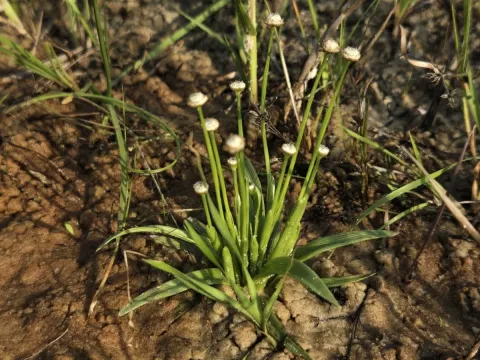
Eriocaulon truncatum
Eriocaulon truncatum
Eriocaulon truncatum belongs to the family Eriocaulaceae, consisting of unique herbaceous perennials. Originating from tropical Asia, this species is typically found in wetlands, swamps, and rice paddies, showing a high adaptation to hydric soils.
What the section contains
Eriocaulon truncatum
Botanically, the plant is characterized by a compact rosette of rigid, linear leaves and distinct flower heads borne on long, erect peduncles. This structural form is an evolutionary response to water fluctuation and ensures stability in saturated substrates.
The culture thrives in environments with ambient temperatures ranging from 22 to 28 degrees Celsius. Providing high-intensity lighting is crucial for photosynthesis, as this plant is highly demanding regarding light spectrum quality for healthy foliage development.
Success in cultivation depends on a nutrient-rich, slightly acidic substrate that allows for proper root aeration. In managed environments, such as aquariums or controlled nursery settings, the injection of carbon dioxide is often required to support vigorous physiological growth.
Commercially, Eriocaulon truncatum is primarily valued as an ornamental species in the hobby of aquascaping. It is prized by collectors and professional landscape designers for its ability to create dense, vibrant foreground features in freshwater installations.
The primary threats to Eriocaulon truncatum involve root zone pathogens, particularly fungi that thrive in hypoxic, stagnant water conditions. Proper water flow and regular substrate maintenance are essential to mitigate the risk of crown rot and plant decay.
Pest pressure can include various aquatic invertebrates that may consume soft tissues or disrupt the root system. Furthermore, competition with algae, which blocks light and nutrient uptake, poses a significant threat to the survival of the rosette in non-sterile conditions.