
Eriocaulon xeranthemum
Eriocaulon xeranthemum
Description
Growing requirements
Eriocaulon xeranthemum is a specialized herbaceous plant belonging to the Eriocaulaceae family. Native to the tropical wetlands of Southeast Asia, this species has evolved to thrive in high-humidity environments, typically found along riverbanks and marshy tropical floodplains.
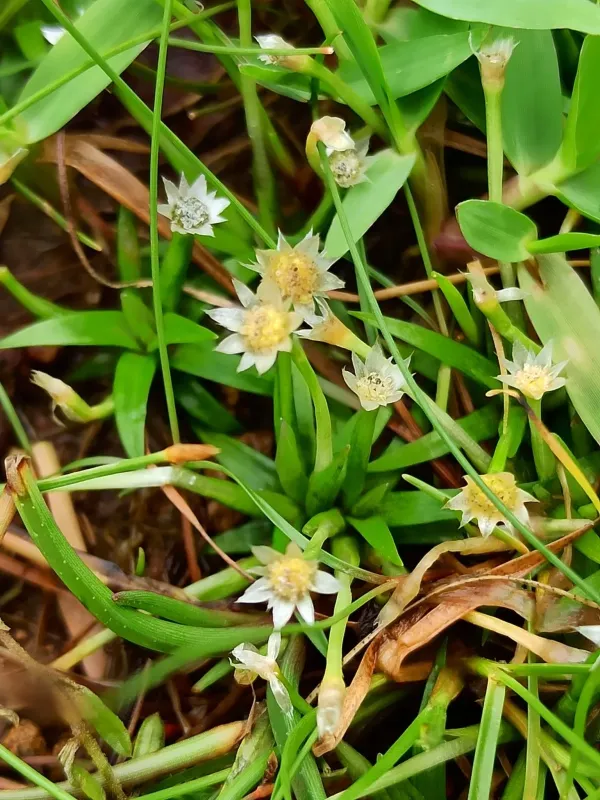
The plant is anatomically defined by its dense, rosette-like structure composed of slender, needle-shaped leaves. Its growth pattern is strictly compact, and it produces a distinct head-like inflorescence during the reproductive phase, which is a key morphological marker for the genus.
Successful cultivation requires strict adherence to water parameters, specifically focusing on low general hardness (GH) and low carbonate hardness (KH). Water should be slightly acidic, with an optimal pH range of 5.5 to 6.8 to ensure that nutrient uptake through the root system remains efficient.
Substrate composition plays a critical role in the plant's health. A nutrient-rich, fine-grained substrate with an acidic buffer is necessary. Additionally, high-intensity lighting and a consistent supply of supplemental carbon dioxide are essential for maintaining the metabolic processes required for active growth.
In terms of horticultural use, Eriocaulon xeranthemum is primarily utilized in the high-end aquascaping sector. Its rarity and slow growth rate make it a highly sought-after plant for hobbyists who specialize in creating sophisticated, nature-inspired aquarium layouts.
Main diseases and pests
The primary threats to this culture include the accumulation of organic waste and significant fluctuations in water chemistry. If the environmental balance is compromised, the plant is highly susceptible to root decay and the rapid infestation of algae, which can quickly choke the rosette.