
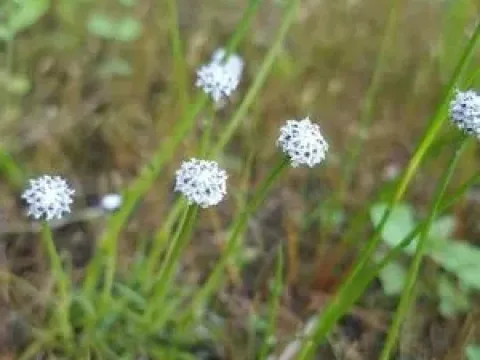
Ten-flowered pipewort
Eriocaulon decemflorum
Eriocaulon decemflorum, commonly known as the Ten-flowered pipewort, is a specialized plant species belonging to the Eriocaulaceae family. It is native to tropical wetlands of Asia, where it typically inhabits marshes and the shallow edges of nutrient-poor, acidic water bodies.
What the section contains
Ten-flowered pipewort
Botanically, the plant is characterized by a dense rosette of rigid, grass-like leaves. Its root system is relatively delicate and relies heavily on the substrate's chemical properties, specifically preferring low mineral content and specific pH ranges to maintain healthy tissue development.
Climate requirements for this culture are strict, as it requires a stable, warm environment. Optimal growth is observed in temperatures ranging from 22°C to 28°C. Furthermore, high ambient humidity is crucial for maintaining the physiological functions of the aerial parts of the plant.
Agronomic practices for this species focus on precision lighting and substrate nutrition. The plant demands a high-intensity light source to support its metabolism, but it is prone to excessive algal growth if the balance between light duration and nutrient supply is not maintained.
The primary economic and hobbyist use of Eriocaulon decemflorum is in high-end aquascaping and botanical collections. Due to its slow growth rate and unique morphology, it is highly sought after as a specimen plant for creating naturalistic underwater landscapes.
Common health issues for this species involve root rot caused by anaerobic conditions in the substrate. To mitigate this, growers should ensure proper substrate aeration and avoid compaction, which can suffocate the root system over time.
Pests that pose a threat include various types of freshwater snails and sap-sucking insects that may infiltrate the greenhouse or aquarium environment. Regular monitoring and manual removal are the most effective methods of protection for this sensitive species.