
Paepalanthus
Paepalanthus
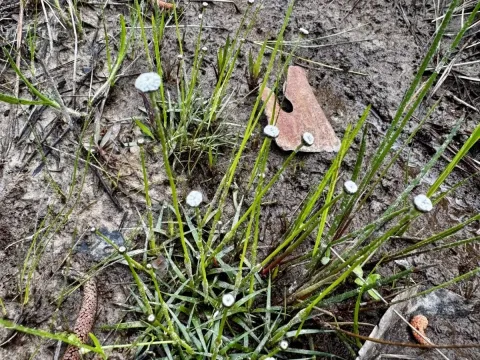
Paepalanthus is a diverse genus of perennial herbs belonging to the Eriocaulaceae family. These plants are scientifically noted for their unique rosettes of leaves and globose flower heads, which are supported by long, erect stalks rising from the center of the plant structure.
What the section contains

Paepalanthus
The genus originates primarily from the tropical regions of South America. Many species are native to the high-altitude rocky savannas of Brazil, where they grow in nutrient-poor, acidic soils. This evolutionary adaptation makes them specialized plants that require specific environmental conditions to thrive outside their natural habitat.
When cultivating Paepalanthus, growers must focus on creating a well-draining, mineral-based substrate. Mixtures containing quartz sand, perlite, and a small portion of peat are recommended to prevent compaction and ensure that the root system has access to sufficient oxygen while maintaining consistent moisture.
Environmental conditions should mimic tropical highland climates, characterized by stable temperatures ranging from 20 to 25 degrees Celsius. While these plants prefer high levels of ambient light, they are prone to leaf scorch under intense, direct sunlight and generally perform best in bright, diffused light environments.
Managing water quality is essential, as these plants are sensitive to high mineral content and alkaline water. Using deionized or rainwater is preferred to avoid substrate salinization, which can quickly lead to root stress and the stunted growth of the delicate rosette structures.
The most significant threat to the health of Paepalanthus is the development of fungal infections resulting from water stagnation. When the center of the leaf rosette remains wet for extended periods, it creates an ideal breeding ground for pathogens that cause rapid rot of the crown and root system.
Spider mites represent a major pest risk, especially in controlled environments where humidity levels are not strictly managed. These pests colonize the base of the leaves, drawing sap and causing the leaves to yellow and wither, which significantly reduces the photosynthetic efficiency of the plant.
Mealybugs are another common threat that can infest the plant, hiding within the tight spaces between leaves in the rosette. Their presence is often difficult to detect until substantial damage has occurred, necessitating regular inspections and prompt intervention with non-toxic horticultural soap solutions.
Preventative maintenance involves ensuring constant air circulation around the plants to facilitate evaporation and prevent the accumulation of moisture. This simple cultural practice is one of the most effective ways to mitigate the risk of both fungal and bacterial outbreaks in intensive cultivation.
In cases where infestations or diseases are identified, it is critical to quarantine the affected specimens. Treating the soil with preventative fungicides and cleaning the leaf surfaces manually can help restore the plant, provided the damage to the central growth point has not yet become necrotic.