
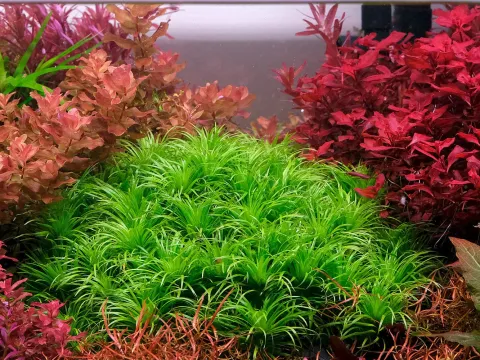
Syngonanthus
Syngonanthus
Syngonanthus is a genus belonging to the Eriocaulaceae family. These plants are primarily native to the tropical regions of South America and Africa, where they inhabit wet meadows, swamps, and riverbanks.
What the section contains

Syngonanthus
Cultivation of Syngonanthus requires specific environmental parameters, especially concerning substrate acidity. They thrive best in slightly acidic soil or water with a pH range between 5.5 and 6.5, mimicking their natural habitat.
High-intensity light is a non-negotiable requirement. Without adequate photosynthetically active radiation (PAR), these plants rapidly lose their vigor and may experience stunted growth, often turning pale or yellowing.
The substrate must provide a balance of nutrients and structural stability. Many successful growers use specialized fine-grained aquascaping soils that prevent compaction and allow the fine root system to absorb essential minerals.
Consistent temperature and moisture levels are vital. These plants perform best at temperatures between 22°C and 28°C. Rapid temperature fluctuations can trigger physiological stress, leading to cell breakdown and loss of foliage.
The most common threat to Syngonanthus is improper fertilization, particularly the accumulation of phosphates and heavy metals in the soil or water column, which leads to toxic responses.
Fungal rot represents a significant risk if the cultivation environment lacks proper aeration. Root systems are particularly vulnerable to pathogens when oxygen availability in the substrate is compromised.
Algal blooms pose a severe competitive threat, as algae can overgrow the delicate leaves of the plant, preventing it from receiving necessary light and leading to starvation.
Pests such as mites and aphids can become an issue if the plant is grown in humid, terrestrial greenhouse environments without adequate ventilation protocols.
To mitigate these threats, maintain a strict water and nutrient management plan, ensure good circulation, and perform regular monitoring of plant health to detect early signs of chlorosis or necrosis.