
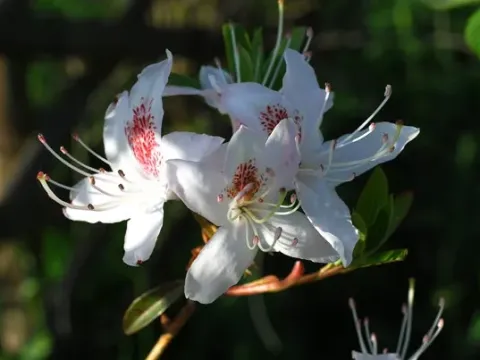
Yunnan rhododendron
Rhododendron yunnanense
The Yunnan rhododendron (Rhododendron yunnanense) is an evergreen to semi-evergreen shrub belonging to the Ericaceae family. It is native to the mountainous regions of Yunnan Province in China, typically found in high-altitude environments.
What the section contains
Yunnan rhododendron
This species thrives in cool, humid climates where it can avoid extreme heat and intense sunlight. It is best suited for woodland garden settings where it can benefit from filtered light or dappled shade provided by canopy trees.
The soil must be distinctly acidic, with a pH ranging between 4.5 and 5.5. Furthermore, the planting site requires excellent drainage, as the roots are highly susceptible to rot if subjected to waterlogged conditions.
Cultural maintenance involves the application of organic mulch, such as pine bark or needles, to regulate soil moisture and acidity. Irrigation should be performed consistently, using soft, lime-free water to prevent soil alkalinity.
In terms of horticulture, this plant is valued for its delicate, pale pink to white flowers marked with red spots, providing high ornamental value in spring. It adds a sophisticated texture to any ericaceous plant collection.
Phytophthora root rot is the most serious threat to this species, usually caused by poor drainage or overwatering. Once established, the fungus can destroy the root system rapidly.
Foliar diseases, including powdery mildew and various leaf spots, are common in environments with poor air circulation or high humidity during the late spring and summer months.
Insect pests, particularly the rhododendron bug and spider mites, are frequent issues that damage foliage by feeding on plant juices and causing chlorosis.
Regular monitoring is essential for early detection of these threats. Using systemic treatments and maintaining proper plant hygiene can significantly reduce the risk of infestation.
Correct plant spacing is vital to ensure good air movement, which minimizes the incidence of fungal diseases and helps the shrub maintain its structural integrity.