
Zenobia cassinefolia
Zenobia cassinefolia
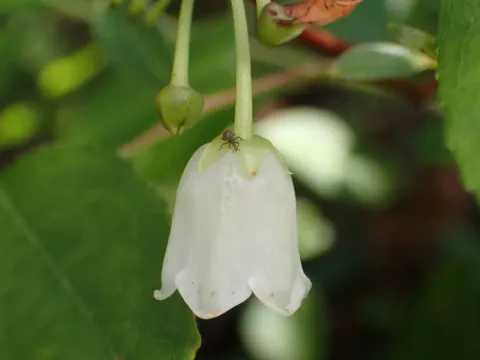
Zenobia cassinefolia is an exquisite, semi-evergreen shrub belonging to the Ericaceae family. Native to the coastal plains of the southeastern United States, this plant is highly prized by collectors for its waxy, bell-shaped white flowers that feature a strong, pleasant fragrance.
What the section contains
Zenobia cassinefolia
To successfully cultivate Zenobia, gardeners must strictly replicate its native habitat. The species thrives in acidic soils with a pH level between 4.5 and 5.5. A mixture of peat moss, pine needles, and sand serves as the best growing medium for root development.
The plant requires full sun to partial shade and constant moisture. It is a moisture-loving species that demands a well-drained but consistently damp substrate. It does not tolerate prolonged drought or waterlogged soil, making site selection crucial for its longevity.
Regarding climate, Zenobia is hardy in mild temperate zones. In colder regions, it requires protection during winter months. A thick layer of organic mulch, such as pine bark, is essential to protect the shallow root system from frost-heave and freezing temperatures.
In ornamental horticulture, Zenobia is used as a statement piece in bog gardens or near water features. Its bluish-green foliage and dramatic, drooping flower clusters make it an excellent choice for specialized landscapes focusing on acid-loving ericaceous plants.
Zenobia is generally resilient, yet it is susceptible to specific conditions that compromise its health. The most frequent issue is iron chlorosis, which occurs when the soil pH rises above the optimal range, causing leaves to yellow while veins remain green.
Improper drainage often leads to root rot, a silent killer for this shrub. Because the plant naturally grows in damp environments, gardeners often mistakenly keep the soil too wet without oxygen exchange, inviting pathogenic fungi to infect the root zone.
Pest problems are usually limited to spider mites during hot, dry weather. These pests suck sap from the underside of leaves, causing discoloration. Consistent irrigation and ensuring high humidity levels around the foliage are effective preventative measures.
Powdery mildew may occur if the planting site lacks adequate air circulation. Pruning the shrub to maintain an open canopy and removing any crossing or diseased branches in early spring significantly reduces the risk of fungal spread.
Overall, maintenance involves monitoring soil acidity and moisture levels. Avoiding alkaline fertilizers and ensuring that the plant is not subjected to drought are the primary keys to keeping Zenobia cassinefolia in peak physical condition throughout the season.