
Zenobia
Zenobia
Zenobia is a unique genus of flowering shrubs belonging to the Ericaceae family. Native to the southeastern United States, this plant is primarily found in moist, acidic habitats such as swamps, bogs, and coastal forests.
What the section contains
Zenobia
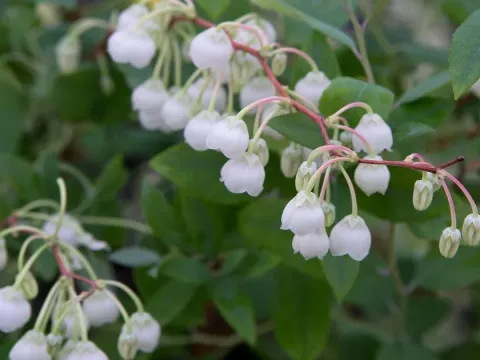
Botanically, Zenobia is recognized by its glaucous, waxy-coated foliage and its bell-shaped, fragrant white flowers that bloom in early summer. It can grow up to 1.5 to 2 meters in height, exhibiting a graceful, arching habit.
The plant has specific cultural requirements, favoring highly acidic, well-draining yet constantly moist soils. It is particularly sensitive to soil pH and drought, which means gardeners must maintain specific environmental conditions for the plant to thrive.
Ideal planting sites include semi-shaded areas protected from strong winds. While it is hardy in many zones, it requires protection during exceptionally cold winters to prevent root damage and to preserve its ornamental value for the following season.
In terms of хозяйственное (horticultural) use, Zenobia is strictly an ornamental plant. It is highly valued for naturalistic garden designs, wetland landscaping, and as a centerpiece in ericaceous shrub borders where acidic soil conditions prevail.
The primary threats to Zenobia are fungal pathogens, which typically manifest when drainage is inadequate. Root rot is a common issue if the soil remains waterlogged, severely impacting the shrub's health and vigor.
In terms of pests, spider mites and scale insects are the most frequent adversaries. These pests damage the foliage and sap-sucking activity can cause stunted growth if not managed through timely intervention.
Effective pest management relies on early detection and physical removal, or the application of horticultural oils. Maintaining a layer of pine bark mulch around the base also helps suppress weeds and protects the shallow roots.
Gardeners should perform regular sanitary pruning to remove dead or diseased stems, which helps improve air circulation and minimizes the risk of fungal spread throughout the shrub.
By consistently monitoring the moisture levels and acidity of the growing medium, cultivators can successfully prevent most of the common diseases associated with this sensitive but stunning ericaceous plant.