
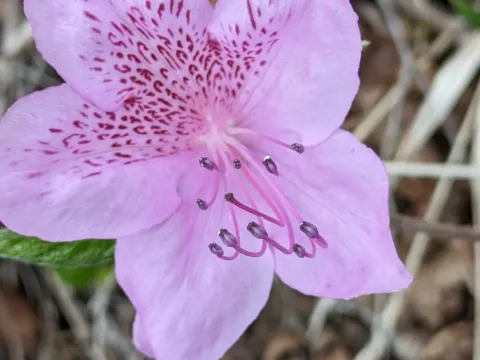
Korean rhododendron
Rhododendron yedoense
Rhododendron yedoense, commonly known as the Korean rhododendron, is a perennial flowering shrub belonging to the Ericaceae family. It is native to the temperate regions of Korea and Japan, typically found in mountainous areas with moist, well-drained habitats.
What the section contains
Korean rhododendron
Botanically, this species is characterized by its compact, dense growth habit and profuse spring blooms. The plant features leathery, elliptical leaves and vibrant flowers, making it a staple in ornamental horticulture and garden design worldwide.
Success in cultivating this species depends heavily on the soil structure. It requires acidic soil with a pH ranging from 4.5 to 5.5, rich in organic matter, such as peat or leaf mold. Drainage is the most critical factor to prevent root rot.
The climate requirements include protection from harsh, drying winds and direct midday heat. Rhododendron yedoense thrives in semi-shaded environments, ideally receiving dappled sunlight through tree canopies or morning sun followed by afternoon shade.
Agronomic maintenance includes regular irrigation with non-alkaline water and consistent mulching with pine needles or bark. Mulching helps conserve moisture and maintain the necessary acidic environment in the root zone throughout the growing season.
Phytophthora root rot is the most serious threat to Rhododendron yedoense. This fungal pathogen typically affects plants in poorly drained soils, leading to wilting, foliage browning, and eventual mortality of the entire shrub.
Pest pressures include the rhododendron lace bug and spider mites, which feed on the sap of the leaves. These pests cause chlorotic spotting and silvering of the foliage, significantly degrading the plant's aesthetic appearance.
Management of fungal pathogens requires the application of targeted fungicides and strict adherence to moisture control practices. Pruning out infected stems and improving soil aeration can significantly reduce the spread of disease.
To mitigate pest infestations, horticultural oils or systemic insecticides are effective if applied during the early stages of the attack. Regularly monitoring the underside of leaves for early signs of damage is recommended.
Winter injury can also pose a threat to less acclimatized varieties. Protecting the roots with a thick layer of mulch and wrapping the canopy in frost-permeable cloth can help plants survive severe cold snaps in regions beyond their ideal hardiness zone.