
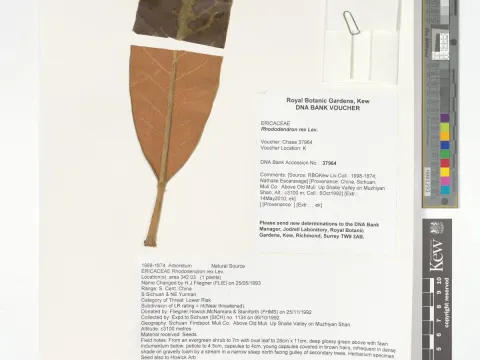
King Rhododendron
Rhododendron rex
Rhododendron rex, commonly known as the King Rhododendron, is a prominent member of the Ericaceae family. It is recognized for its impressive stature as an evergreen shrub or small tree, often growing to several meters in height under ideal conditions.
What the section contains
King Rhododendron
The species is native to the high-altitude forests of southwestern China, specifically in the Yunnan and Sichuan regions. Its natural habitat is characterized by cool temperatures, high atmospheric humidity, and acidic, well-draining forest soils.
For successful cultivation, it is essential to provide an environment that mimics its native habitat. This includes planting in acidic, organic-rich, and well-aerated soil. Maintaining a pH balance between 4.5 and 5.5 is crucial for nutrient absorption.
The plant thrives in partial shade conditions, protected from harsh midday sun and strong, drying winds. Site selection should prioritize areas that offer shelter and consistent ambient moisture, preventing the foliage from scorching during summer months.
Cultural practices should emphasize consistent soil moisture and deep mulching with acidic organic materials, such as pine bark or needles. Fertilization should be specific to acid-loving plants, applied sparingly to avoid root damage in the early spring.
Phytophthora root rot is the most serious threat to Rhododendron rex, especially if the soil drainage is inadequate. This fungal pathogen quickly destroys the root system, leading to rapid decline and potential death of the shrub.
Leaf spots caused by various fungi can also affect the overall aesthetic and health of the plant. These typically appear during periods of excessive rainfall or poor air circulation, necessitating prompt attention to plant hygiene.
The rhododendron lace bug is the primary insect pest, known to feed on the underside of leaves. Infestation symptoms include pale, stippled foliage, which diminishes the ornamental value of the specimen significantly.
Management of these threats involves a combination of cultural practices, such as proper spacing and debris removal, alongside the application of fungicides and insecticides when necessary. Prevention is always more effective than treating established infestations.
Regular monitoring of the foliage and root health is recommended for growers. Early detection of pests or disease symptoms allows for localized interventions, which helps maintain the long-term vigor of this stately ornamental species.