
Rhododendron megacalyx
Rhododendron megacalyx
Description
Growing requirements
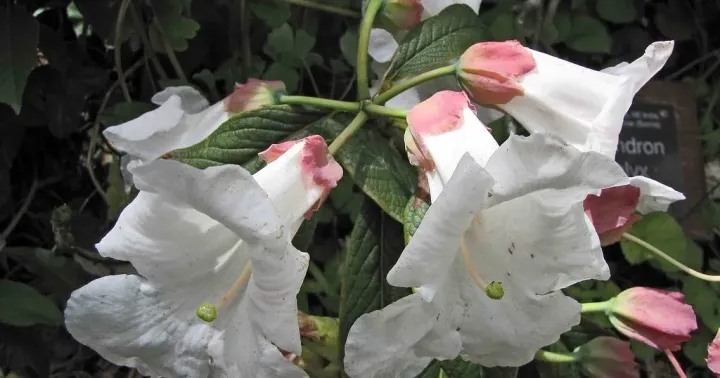
Rhododendron megacalyx is a distinguished member of the Ericaceae family, highly valued for its large, fragrant, white to cream-colored flowers. It typically grows as an evergreen shrub or small tree, characterized by its substantial, leathery leaves and significant aesthetic appeal.
Originating from the high-altitude regions of the Himalayas, specifically parts of Bhutan and Northeast India, the species thrives in cool, humid environments. It is adapted to mountainous forest climates that provide consistent moisture throughout the year without harsh temperature extremes.
For successful cultivation, the species requires acidic, humus-rich soil that offers excellent drainage. Waterlogging is detrimental to the plant's sensitive root system, necessitating the use of specialized substrate mixtures or raised beds to ensure proper aeration.
Climate requirements dictate a sheltered position, preferably in partial shade. Direct exposure to intense midday sunlight can lead to leaf scorch and dehydration. A stable, cool microclimate, complemented by protection from drying winds, is essential for healthy vegetative growth.
Standard agrotechnical care involves consistent mulching with organic material such as pine needles or bark to preserve soil moisture and acidity. Fertilization should be limited to specific Ericaceae-formulated fertilizers applied during the active growth period in late spring.
Main diseases and pests
Phytophthora root rot is the most serious disease threat, typically triggered by poor drainage and stagnant water conditions. Preventive measures include ensuring the planting site is elevated and the soil structure is loose enough to prevent hypoxia.
Pest pressure is often represented by rhododendron bugs and spider mites, which feed on the sap of the foliage. Heavy infestations result in chlorotic spots and stunted development, necessitating the application of horticultural soaps or specific acaricides.
Chlorosis, a physiological disorder resulting from improper soil pH, is commonly observed when the growing medium becomes too alkaline. Iron chelate supplements are often required to restore the deep green color of the leaves and ensure nutrient uptake efficiency.
Winter desiccation is a critical challenge, especially for young specimens. Providing protective screens or covering the shrub during freezing weather helps prevent the foliage from losing more moisture than the roots can replace from frozen soil.
Effective management strategies rely on integrated pest and disease control, emphasizing sanitation, such as the removal of dead wood and fallen leaves, alongside regular monitoring of the foliage for early signs of pathogen colonization.