
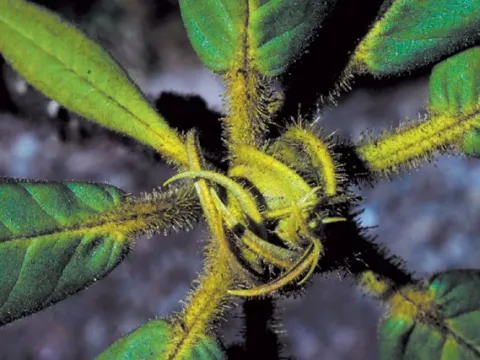
Rhododendron habrotrichum
Rhododendron habrotrichum
Rhododendron habrotrichum is a species of evergreen shrub belonging to the Ericaceae family. Known for its distinct foliage and delicate floral display, it is a highly regarded specimen plant for woodland gardens and specialized landscape projects.
What the section contains
Rhododendron habrotrichum
Native to the mountain regions of China, specifically Yunnan province, this plant thrives in temperate, humid environments. It is adapted to high-altitude conditions, which typically feature consistent moisture and cool temperatures throughout the growing season.
The success of this culture heavily depends on soil chemistry. Like most ericaceous plants, it requires well-draining, acidic soil with a pH between 4.5 and 5.5. Incorporating organic matter such as peat moss or pine needles is essential to create the ideal root environment.
Regarding light, this rhododendron prefers dappled shade or partial sunlight. Exposure to harsh afternoon sun can scorch its leaves, while deep, permanent shade can reduce flower production, so finding the right balance is crucial for healthy development.
Routine maintenance includes keeping the soil consistently moist but never waterlogged. Since the roots are shallow, a thick layer of mulch is highly recommended to suppress weeds, regulate soil temperature, and retain necessary moisture levels.
The primary threats to Rhododendron habrotrichum are fungal diseases such as Phytophthora root rot. This condition is almost always a result of poor drainage or overwatering, leading to the rapid decline of the plant's vascular system.
Pest issues often involve the rhododendron lace bug, which feeds on the underside of the leaves, causing a mottled appearance. Additionally, vine weevils can cause significant damage to the roots, often going unnoticed until the plant starts to wilt severely.
To prevent disease, gardeners should focus on site selection and soil structure. Ensuring that the site allows for proper air circulation will significantly decrease the likelihood of mold and other fungal pathogens establishing on the foliage.
Integrated pest management, including the use of appropriate insecticides and physical traps, is recommended when pest populations reach economic thresholds. Avoiding broad-spectrum pesticides helps preserve beneficial insects in the garden.
Winter protection is necessary for younger specimens, especially in colder climates. Protecting the plant from wind chill and preventing the soil from freezing solid around the root ball will ensure survival during extended freezing periods.