
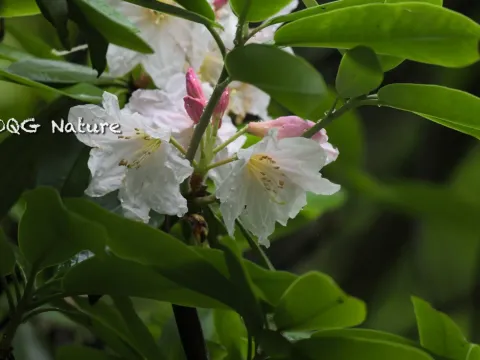
Fortune's rhododendron
Rhododendron fortunei
Fortune's rhododendron (Rhododendron fortunei) is a significant species in the Ericaceae family, known for its fragrant, bell-shaped flowers and attractive evergreen foliage. Originating from the mountain forests of China, it serves as a parent for many modern garden hybrids.
What the section contains
Fortune's rhododendron
In cultivation, this plant requires specific environmental conditions to thrive. It performs best in regions that mirror its native habitat, which is characterized by cool summers, high humidity, and moderate winters. Providing these conditions is essential for healthy vegetative growth.
Soil requirements are strict: the plants demand acidic soil with a pH between 4.5 and 5.5. A loose, well-draining substrate rich in organic matter, such as peat or leaf mold, is mandatory to prevent root rot and allow for deep, effective root development.
Placement in the garden should be carefully considered. Fortune's rhododendron prefers dappled shade, particularly protecting the foliage from scorching afternoon sun. It also requires shelter from drying winter winds, which can lead to rapid desiccation of the leaves.
Maintenance practices focus on consistent moisture and nutrient management. Because the root system is shallow, mulching is crucial to keep the roots cool and moist. Fertilization should be done specifically with acid-loving plant formulas, avoiding any calcareous amendments.
Pest issues in Rhododendron fortunei often involve the rhododendron lace bug, which causes stippling on the upper surface of leaves. Spider mites are another common pest, particularly during periods of low humidity, causing premature leaf drop and overall decline.
Phytophthora root rot is the most serious disease threat, typically caused by waterlogged soils or poor drainage. Once established, this pathogen is difficult to control, making proper site selection and soil preparation the most effective forms of primary defense.
Fungal diseases like leaf spot and gray mold can appear in stagnant or overly humid conditions. Improving airflow through selective pruning and avoiding overhead irrigation can significantly reduce the risk of these pathogens taking hold on the foliage or flowers.
Integrated pest management involves regular monitoring and the use of insecticidal soaps or systemic treatments when necessary. Timing applications early in the season is key to preventing major infestations that could compromise the plant's structural integrity.
Ultimately, the health of the plant depends on vigor; a plant that is well-watered, correctly fertilized, and grown in ideal conditions is far less susceptible to secondary infections and damage from common insect pests.