
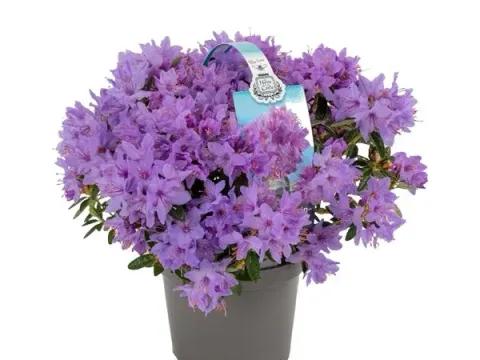
Fringed rhododendron
Rhododendron fimbriatum
The Fringed rhododendron (Rhododendron fimbriatum) is an exquisite ornamental shrub belonging to the Ericaceae family. It is distinguished by its unique, finely serrated or "fringed" petal margins, which make it a highly desirable addition to specialist collections.
What the section contains
Fringed rhododendron
Native to high-altitude regions in Asia, this plant thrives in temperate climates with high atmospheric humidity. It is best suited for woodland gardens or dedicated ericaceous beds where cool, stable conditions can be maintained.
Cultivation requires acidic, well-draining soil with a pH level between 4.5 and 5.5. A mixture of peat moss, pine bark, and coarse sand provides the necessary environment for the plant's delicate, shallow root system to flourish.
Light requirements are specific: the plant performs best in dappled shade or indirect morning sunlight. Intense afternoon exposure should be avoided, as it often leads to leaf scorching and premature foliage shedding.
Adequate hydration is critical for this species. Watering should be consistent, ensuring the soil remains moist but never waterlogged. Applying a mulch layer of acidic organic matter helps regulate soil temperature and moisture retention throughout the growing season.
Phytophthora root rot remains the most significant threat to the Fringed rhododendron, especially in poorly drained soils. Prevention involves planting in raised beds or ensuring a substantial layer of drainage material is placed at the bottom of the planting hole.
Common pests include the rhododendron leafhopper and spider mites. These pests typically congregate on the undersides of leaves, causing discoloration and structural damage that reduces the plant's aesthetic value and overall vigor.
Integrated pest management, including the use of horticultural soaps or systemic insecticides, is recommended for managing infestations. Early detection is key, so regular inspections of the foliage during the spring and summer are advised.
Chlorosis is a frequent nutritional issue, often triggered by alkaline water or iron deficiency in the soil. Correcting the pH balance and applying chelated iron supplements usually restores the deep green color of the leaves.
In colder regions, frost protection is necessary during the first few years of establishment. Wrapping the shrub with breathable burlap during harsh winter months prevents bud damage and ensures successful flowering in the following season.