
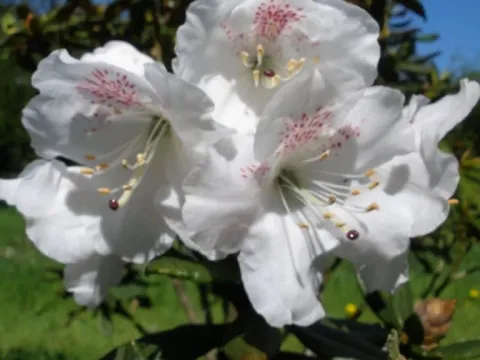
Aberconway's rhododendron
Rhododendron aberconwayi
Aberconway's rhododendron (Rhododendron aberconwayi) is a distinguished evergreen shrub belonging to the Ericaceae family. Native to the high-altitude forests of Yunnan, China, it is prized for its elegant structure and delicate, white to soft pink bell-shaped flowers.
What the section contains
Aberconway's rhododendron
To thrive in a garden setting, this plant requires cool, moist conditions that mimic its natural mountainous environment. It performs best in partial shade, where it is shielded from the intensity of direct afternoon sunlight and harsh winds that may dehydrate the foliage.
The planting substrate is crucial: Rhododendron aberconwayi demands highly acidic soil (pH 4.5–5.5) that is rich in organic matter and exceptionally well-draining. Heavy, clay-based soils should be amended with pine bark or peat moss to ensure proper aeration.
Moisture management is key; while the soil must remain consistently damp, waterlogging must be strictly avoided. Installing a layer of organic mulch around the base of the plant helps maintain soil moisture levels and protects the shallow root system from temperature fluctuations.
Growth is relatively slow, making it an excellent choice for woodland gardens or specialized ericaceous borders. With proper placement and attention to soil acidity, this rhododendron can live for many years, becoming a structural highlight in a shaded landscape.
Fungal pathogens such as Phytophthora are significant threats to this species, usually triggered by poor soil drainage and stagnant water. Symptoms often include wilting and root decay, which require immediate removal of the affected material and fungicide application.
Insect pests, particularly the rhododendron bug and spider mites, are common nuisances. They feed on the underside of leaves, causing discoloration and overall weakening of the plant's health throughout the growing season.
Proper hygiene is the first line of defense; removing dead leaves and pruning diseased branches helps prevent the spread of infections. Ensuring adequate airflow through the foliage canopy significantly reduces the risk of fungal outbreaks.
In cases of severe infestation or infection, targeted use of horticultural oils or systemic insecticides and fungicides may be necessary. Always follow the manufacturer's recommendations to avoid phytotoxicity on the sensitive leaves.
Maintaining the overall vigor of the plant through correct fertilizing with specialized ericaceous feed strengthens its natural resistance to environmental stressors and minor pest attacks.