
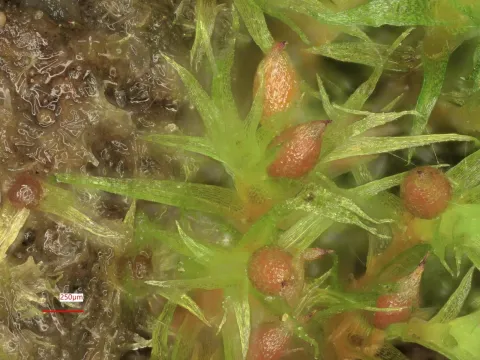
Pseudephemerum nitidum
Pseudephemerum nitidum
Pseudephemerum nitidum is a small, ephemeral moss species belonging to the family Dicranaceae. While not a cultivated crop, it serves as an important bioindicator in damp, disturbed environments across Europe, Asia, and North America.
What the section contains
Pseudephemerum nitidum
Botanically, it is recognized by its tiny size, glossy green leaves, and preference for damp, exposed soil surfaces. Unlike vascular plants, it does not have a complex root system and relies on moisture absorbed directly through its leaves from the surrounding environment.
The habitat requirements of this moss include consistently moist, often slightly acidic, mineral-rich soils. It is frequently found on the edges of ponds, muddy tracks, or in damp agricultural fields where the soil remains relatively undisturbed by heavy machinery for periods of time.
In terms of climate, Pseudephemerum nitidum thrives in temperate zones where precipitation is frequent. It is highly sensitive to desiccation and requires a stable, humid microclimate to complete its life cycle and produce sporophytes.
Ecologically, this moss functions as a pioneer species on bare soil, helping to prevent erosion and preparing the substrate for larger plant species. Its dispersal is largely dependent on wind-blown spores that colonize new, suitable sites rapidly.
Pseudephemerum nitidum is not subject to agricultural pests or diseases. However, it is highly sensitive to environmental degradation caused by industrial and agricultural activities.
Soil drainage and land reclamation are major threats, as the reduction of moisture levels directly leads to the rapid decline of local populations.
The application of chemical fertilizers and herbicides, typical in modern farming, proves toxic to these delicate mosses, preventing spore germination and growth.
Loss of habitat due to aggressive land management and competitive exclusion by faster-growing vascular plants often results in the disappearance of the species from agricultural sites.
Conservation efforts for this moss focus on maintaining wetlands and natural moisture regimes rather than protecting it from traditional pests.