
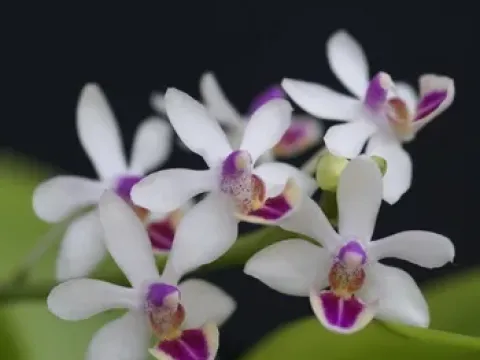
Doritaenopsis
Doritaenopsis
Doritaenopsis is an intergeneric hybrid orchid belonging to the Orchidaceae family, specifically resulting from the crossing of the Doritis and Phalaenopsis genera. It is widely recognized for its robust growth and exceptionally long-lasting blooms.
What the section contains
Doritaenopsis
The origin of these plants is rooted in the tropical forests of Southeast Asia. As epiphytic plants, they possess specialized roots designed to absorb moisture and nutrients from the air and surface moisture, which dictates their specific agronomic needs.
Climate requirements include maintaining a stable temperature range between +20 and +25 degrees Celsius. Consistency is key, as drastic fluctuations can lead to bud blast or stunted leaf development during the active growing season.
The substrate must prioritize aeration and drainage. Standard potting soil will suffocate the root system; therefore, commercial growers utilize a mix primarily composed of pine bark, charcoal, and sometimes perlite or moss to maintain an optimal moisture-to-air ratio.
Proper lighting is essential for photosynthesis and flower spike initiation. While they require bright light, it must be filtered to prevent phototoxicity. Excessive direct sun exposure will cause chlorophyll breakdown and necrotic patches on the leaves.
The primary agricultural and economic use of Doritaenopsis is in the ornamental horticulture sector. It is a staple crop for both home hobbyists and professional nurseries focused on high-quality flowering potted plants for international export.
Under optimal greenhouse conditions, these orchids can produce multiple flower spikes per plant, providing a sustained bloom duration that can exceed four months. Proper nutrition during the vegetative phase is critical for maximizing flower count per spike.
Key pests include spider mites and mealybugs, which thrive in stagnant, dry air conditions. Integrated pest management strategies, involving both biological controls and targeted acaricides, are necessary to prevent infestations in greenhouse environments.
Common pathological threats involve fungal and bacterial infections such as black rot or Erwinia. These typically manifest under conditions of poor ventilation and excessive moisture, leading to rapid decay of the plant tissue, particularly in the crown area.