
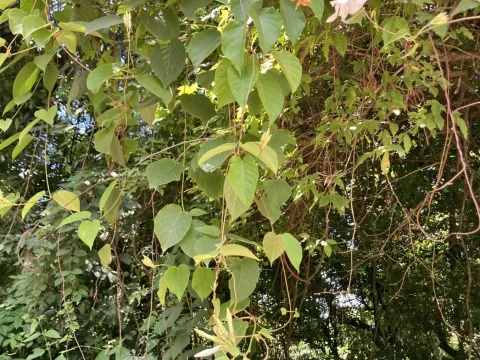
Dipladenia
Dipladenia
Dipladenia, taxonomically classified as a member of the Apocynaceae family, is a genus of tropical flowering vines native to the southwestern United States, Mexico, Central America, and South America. These plants are prized for their vigorous climbing habit and large, trumpet-shaped flowers.
What the section contains
Dipladenia
Successful cultivation requires a location with bright, indirect sunlight. While the plant thrives in warm environments, excessive exposure to harsh midday sun can damage foliage. Maintaining a temperature range between 20°C and 28°C during the growing season is essential for optimal flower production.
The soil must be well-draining and rich in organic matter. A mixture of peat, perlite, and high-quality potting soil provides the necessary aeration and moisture retention. Proper drainage is critical, as stagnant water is the primary cause of root failure in this species.
Regular maintenance involves consistent watering during the growing phase, allowing the top layer of soil to dry out between sessions. During the dormant period, water requirements decrease significantly, and the plant should be kept in a cooler environment to promote future blooming cycles.
In terms of agricultural and horticultural use, Dipladenia is widely cultivated as an ornamental plant. It is commonly utilized in container gardening, trellis systems, and vertical landscapes, serving as a focal point in conservatory and garden displays due to its long-lasting floral display.
The plant is susceptible to common greenhouse pests, including spider mites, aphids, and whiteflies. Vigilant monitoring and the application of insecticidal soaps or neem oil are standard measures to keep populations under control.
Fungal issues, such as root rot and leaf spot, typically occur due to improper watering habits or poor air circulation. Improving environmental conditions and avoiding overhead irrigation are the most effective management strategies against these pathogens.