
Dorema
Dorema
Dorema is a genus of perennial herbaceous plants belonging to the Apiaceae family. These plants are uniquely adapted to harsh arid environments, characterized by sturdy stems and deep root systems that allow them to thrive in water-scarce regions.
What the section contains
Dorema
The natural range of Dorema extends across the arid landscapes of Central and Western Asia. They are frequently found in rocky, sandy, or semi-desert terrains where other plant species struggle to survive due to extreme heat and limited rainfall.
Environmental requirements for Dorema are stringent regarding soil moisture. The plants absolutely require well-drained soils, as waterlogging is lethal. They thrive in mineral-rich, porous soils common in their native mountainous and desert habitats.
Climatic preferences include high exposure to solar radiation and a distinct lack of humidity. These conditions are necessary for the plant to accumulate its secondary metabolites, which are the primary interest for various industrial and medical sectors.
Agricultural management is currently focused on sustainable harvesting rather than large-scale monoculture, as the plant remains largely uncultivated. Propagation typically occurs through seed germination, which requires specific temperature treatments.
The primary economic value of Dorema lies in the resinous gum harvested from its stems. This gum, historically referred to as gum ammoniac, is obtained through deliberate incisions in the plant's epidermis during specific growth phases.
Harvesting techniques involve collecting the exudate that dries on the stem upon contact with air. This process must be handled carefully to avoid damaging the plant's long-term health and preventing the onset of infections or rot at the site of the cut.
In terms of usage, the resins are highly valued in pharmaceutical preparations for their expectorant properties and in the manufacture of specialized adhesives and varnishes. They are a classic example of non-timber forest products.
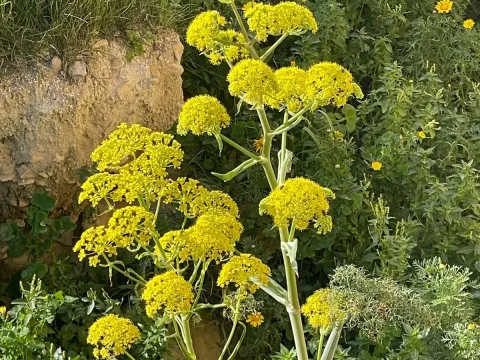
Botanical traits of the genus include large, compound leaves and complex umbel inflorescences. The stems are robust and often serve as the main site for resin accumulation, making them the target for harvest.
The potential for wider cultivation remains high, provided that research into soil chemistry and seed viability continues. Protecting these species from over-harvesting in the wild is currently a priority for botanical conservationists.