
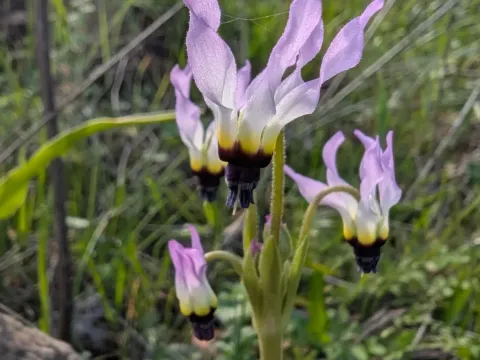
Dodecatheon
Dodecatheon
Sowing Dodecatheon seeds is best performed in the autumn, as they require a period of cold stratification to break seed dormancy.
What the section contains
Dodecatheon
Mimicking natural conditions is crucial for germination, as the embryos need exposure to chilling temperatures for several weeks to develop properly.
If you choose to sow in the spring, ensure that the seeds are stratified in a refrigerator or a cold frame before placing them in the growing medium.
The seeds should be sown on the surface of the soil, as they are light-dependent and will not germinate if buried deeply.
Maintaining a consistent moisture level in the substrate is essential during the germination phase to ensure a higher success rate of emergence.
Dodecatheon belongs to the Primulaceae family and is native to North America, often found in moist meadows and open woodlands.
This culture thrives best in partial shade, where it is shielded from the harsh afternoon sun that can scorch its delicate foliage.
The ideal soil is rich in organic matter, loose, and well-drained to prevent the roots from becoming waterlogged during dormant stages.
Adequate soil moisture is critical; the plant should never dry out completely during its active growing and flowering season.
While Dodecatheon is cold-hardy, mulching during the winter helps stabilize soil temperature and protects the crown of the plant from freeze-thaw cycles.
Root rot is the most common threat to Dodecatheon, usually caused by poor drainage or excessive soil moisture during the plant's dormancy.
Powdery mildew can affect the leaves during periods of high humidity and poor air circulation, necessitating better spacing between individual plants.
Slugs and snails are notorious pests that feed on the succulent leaves of the plant, often causing significant aesthetic damage in the spring.
- Monitor for aphid infestations on the flower stalks.
- Use organic barriers to prevent mollusk damage.
- Ensure proper ventilation to reduce fungal growth.
Proactive garden management, including regular inspection and avoiding overhead irrigation, significantly reduces the likelihood of these common threats.