
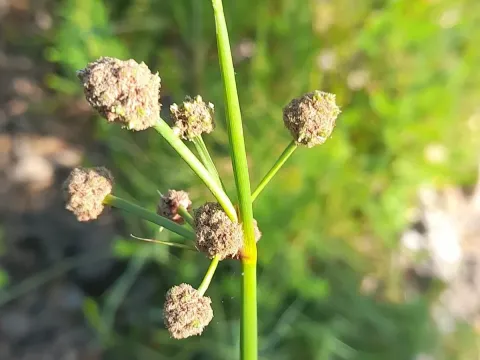
Southern bulrush
Scirpus australis
Southern bulrush (lat. Scirpus australis) is a perennial herbaceous plant belonging to the Cyperaceae family. It is recognized as a high-potential aquatic crop suitable for waterlogged lands and marshy areas that are usually unsuitable for conventional agricultural practices.
What the section contains
Southern bulrush
The natural distribution area covers temperate and subtropical regions. This plant is known for its ecological flexibility and ability to thrive in fluctuating water levels, making it a reliable choice for wetland restoration and biomass cultivation projects.
The crop requires nutrient-rich sediments and prefers environments with slow-moving or standing water. It demonstrates significant vegetative growth and high productivity in well-lit locations, with active development occurring when temperatures exceed 20°C.
Botanically, Scirpus australis is characterized by a strong rhizome system and sturdy, tall stems. This structure provides high mechanical resistance, which is essential for harvesting and using the plant as a raw material for various industrial applications.
Agricultural management primarily involves maintaining appropriate hydrological conditions. Keeping water levels within a range of 10 to 50 centimeters is optimal for suppressing unwanted vegetation and ensuring maximum yield of the crop's biomass during the growing season.
The primary economic use of Southern bulrush involves its conversion into pulp, paper, and sustainable building materials. Its fibers are highly valued for the production of thermal insulation boards and ecological construction panels used in green building projects.
Biomass productivity of Southern bulrush is remarkable, often exceeding that of many traditional energy crops. Under controlled conditions and effective management, yields of dried biomass can reach 15–25 tons per hectare annually.
The plant serves an important role in phytoremediation, specifically in biological treatment ponds. It effectively filters heavy metals, nitrates, and organic pollutants from wastewater, contributing to the recovery of degraded aquatic ecosystems.
In addition to industrial uses, Southern bulrush has potential in the fodder sector. When young shoots are properly harvested and processed into silage, they can provide a supplemental source of mineral-rich feed for livestock, particularly in pastoral farming systems.
The profitability of cultivation is largely dependent on the proximity of processing facilities to the growth sites. Efficient supply chain management and on-site pressing of the harvested biomass are key factors for reducing transport costs and maintaining raw material quality.
Harvesting Southern bulrush is typically conducted in late autumn or winter when the stems are mature and have a lower water content. Using specialized amphibious machinery during the winter months allows for easier access to fields and prevents damage to the root systems.
Mechanized harvesting significantly improves efficiency, allowing for the rapid collection of large volumes of biomass. After cutting, the material should be baled to facilitate logistics and minimize the risk of moisture absorption before it reaches the processing plant.
Proper storage is essential to prevent degradation. Bales should be stored in ventilated, dry areas to maintain the structural integrity of the fibers, ensuring that the raw material remains high-quality for pulp or construction manufacturing purposes throughout the year.
Southern bulrush exhibits strong natural resistance to most plant diseases due to the antimicrobial properties present in its tissues. However, in poorly managed areas with stagnant water and low oxygen levels, fungal outbreaks can occur, affecting stem quality.
Pests such as specialized moth larvae may cause minor damage to the shoots, but they rarely threaten total yield in large-scale plantations. Regular monitoring of water quality and plant health remains the best strategy to maintain productivity and prevent any potential decline in biomass output.