
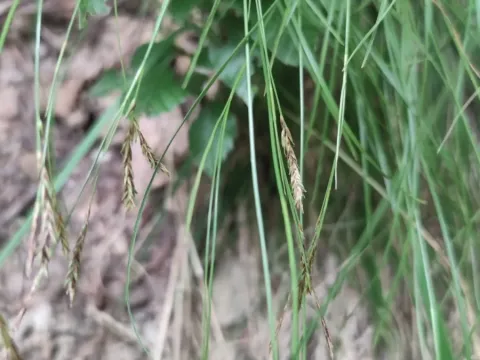
Southern alpine sedge
Carex austroalpina
Southern alpine sedge (Carex austroalpina) is a perennial herbaceous plant belonging to the Cyperaceae family. It is naturally adapted to high-altitude ecosystems, thriving in harsh alpine and subalpine environmental conditions.
What the section contains
Southern alpine sedge
The plant grows in dense tufts, which creates a robust root system that plays a crucial role in soil stabilization. Botanically, it features the characteristic triangular stem and narrow, linear leaves typical of the Carex genus, adapted to withstand strong mountain winds.
Regarding climatic conditions, this species requires a cold temperate climate. It is highly resistant to freezing temperatures and is adapted to the short growing seasons of high mountain zones, where it relies on rapid development during the summer months.
The soil requirements involve well-drained, nutrient-poor to moderately fertile rocky or mineral substrates. It performs best in slightly acidic or neutral soil pH levels and demands high sunlight exposure to maintain its density and vigor.
In agricultural practice, this species is primarily valued for land reclamation, erosion control on mountain slopes, and as a component of alpine pastures. Its ability to colonize difficult substrates makes it a candidate for sustainable land management in mountainous regions.
Common plant diseases affecting Carex austroalpina include various fungal infections, such as rust and leaf spot diseases, especially in areas with high humidity or poor air circulation within the plant clumps.
Pests that pose a threat include soil-dwelling larvae, such as click beetle grubs, which can damage the roots. Additionally, certain types of aphids and leaf-eating insects can reduce the vegetative vigor of the plant during the early growth stages.
Environmental stress, particularly soil compaction and waterlogging, represents a significant threat. These conditions favor root rot pathogens, which can lead to the rapid decline of established colonies if drainage is insufficient.
Overgrazing by livestock is another major threat, as it destroys the delicate turf structure and prevents the plant from storing sufficient nutrients for winter survival. Proper management of grazing cycles is essential for the persistence of the species.
Integrated pest management strategies focusing on physical and cultural control methods are recommended, as the delicate alpine environment often restricts the use of chemical pesticides to preserve ecological balance.