
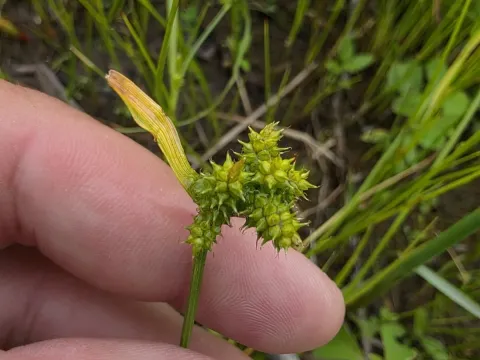
Spring-loving sedge
Carex philocrena
The spring-loving sedge (Carex philocrena) is a perennial herbaceous plant belonging to the Cyperaceae family. It is typically found in environments characterized by constant water saturation, such as springs, seepages, and wet meadows.
What the section contains
Spring-loving sedge
The origin of this species is linked to temperate wetland habitats, where it plays a critical role in stabilizing riparian zones. It thrives in soils that are rich in organic matter, specifically peat or mucky soils that maintain consistent moisture levels.
The plant requires a high water table to sustain its growth, as it is a specialized hydrophyte. It is not tolerant of prolonged dry spells, which can lead to significant biomass reduction and plant dieback in managed agricultural systems.
In terms of climate, it is highly resilient to cold and frost, allowing it to survive in harsh winter conditions without requiring special protection. Its root system is exceptionally dense, making it a valuable candidate for bioengineering and soil erosion control projects.
Optimal agrotechnical management involves monitoring soil pH, which should ideally remain neutral or slightly acidic, and ensuring that drainage systems do not over-drier the site intended for sedge cultivation.
Fungal diseases are the primary threat, particularly leaf spot pathogens that thrive in high humidity and poorly ventilated canopy environments.
Pest pressure from sedge-specific insects can be significant, particularly during the peak growing season when new, tender growth is most vulnerable to sap-sucking pests.
Maintaining a balanced plant density is essential, as overcrowding can create a humid microclimate that facilitates the rapid spread of spores throughout the crop field.
Weed management remains a manual task in the early stages, as herbicides must be used with extreme caution to avoid damaging the aquatic ecosystems where these sedges are often cultivated.
Regular monitoring for nutrient deficiencies, particularly in micro-elements, helps maintain plant vigor, making the crop more resistant to secondary infections and environmental stress.