
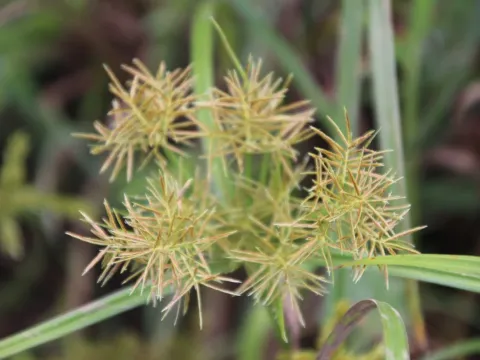
Cyperus maculatus
Cyperus maculatus
Cyperus maculatus, commonly referred to as the spotted sedge, is a perennial herbaceous plant belonging to the Cyperaceae family. It is native to tropical Africa and is typically found in environments with high moisture levels, such as floodplains, riverbanks, and seasonal wetlands.
What the section contains
Cyperus maculatus
The plant thrives in fertile, nutrient-rich soils that maintain a high moisture capacity. While it prefers consistent hydration, the soil structure must allow for some aeration to prevent oxygen deprivation in the root zone, despite the plant's natural adaptation to wet conditions.
Climate requirements for Cyperus maculatus are strictly tropical. It demands high average temperatures and abundant sunlight to reach its maximum productivity. The plant is extremely sensitive to cold and will suffer immediate damage if exposed to temperatures approaching freezing.
From a botanical standpoint, the plant features distinct three-angled stems, which is a hallmark of the sedge family. It grows in dense clusters, producing narrow leaves that are highly palatable to livestock, making it a valuable forage resource in its native range.
Agricultural use of this species focuses on grazing management. Its ability to regenerate quickly after browsing allows it to be used as a sustainable component of local livestock feeding programs in regions where traditional forage crops may struggle to survive.
Fungal diseases are among the primary threats to the cultivation of Cyperus maculatus. Excessive humidity combined with poor air circulation often creates the perfect conditions for leaf spot pathogens, which can severely reduce the biomass quality.
Insect pests, particularly those that feed on soft plant tissues, can pose a risk during peak growing seasons. Monitoring for larvae and leaf-eating beetles is necessary to protect the foliage and ensure the continuous growth of the stands.
Root rot is a critical concern, especially in managed fields where water drainage might be inadequate. Even though it is a water-loving plant, stagnant water can lead to the development of anaerobic conditions that kill the root system.
Weed infestation is a common challenge for new establishments of Cyperus maculatus. Establishing a strong stand requires early intervention to remove invasive species that compete for sunlight and nutrients during the plant's development phase.
Integrated pest management strategies are recommended for farmers dealing with this crop. By maintaining optimal soil health and promoting healthy growth cycles, the susceptibility to diseases and pest outbreaks can be significantly diminished.