
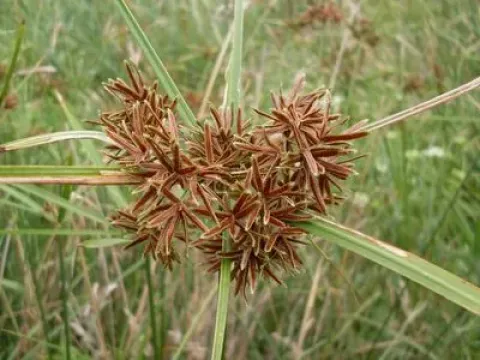
Globe flatsedge
Cyperus globosus
Globe flatsedge (Cyperus globosus) is a perennial herbaceous plant belonging to the Cyperaceae family. It is a highly specialized plant that thrives in wetland environments, playing a significant role in ecosystems where moisture availability is constant.
What the section contains
Globe flatsedge
The plant originates from tropical and temperate regions, where it naturally populates marshy grounds and floodplains. Its agricultural use is primarily focused on areas that are unsuitable for traditional crop cultivation due to excessive moisture.
Regarding climate, Cyperus globosus requires high humidity and steady precipitation to reach its maximum biomass potential. It performs best under warm temperatures, thriving in the heat provided that its water needs are met without interruption.
Soil quality is paramount for this species; it favors heavy, moisture-retentive soils such as silts and clays. Proper nutrient management, especially regarding nitrogen, is necessary to promote the rapid leaf growth desired for forage and biomass production.
Agrotechnical practices involve careful management of water levels and periodic soil cultivation to prevent soil compaction. Despite its robustness, the plant requires adequate space to minimize competition from other aggressive wetland weeds.
The primary threats to Globe flatsedge include fungal pathogens that exploit the high humidity of its habitat. Leaf spot diseases and rust are the most common infections that can compromise the structural integrity of the plant foliage.
Pests, particularly aphids and certain root-boring insects, can severely impact plant vigor. These infestations can reduce the quality of the biomass and inhibit the plant's ability to regenerate effectively after harvesting.
Effective management strategies should prioritize integrated pest management (IPM) to maintain healthy crop stands. This includes crop rotation, where applicable, and the selection of healthy planting material to avoid soil-borne diseases.
Mechanical weed control is also essential in the early stages of establishment to prevent competing species from overtaking the plot. Keeping the area free of debris helps reduce the likelihood of harboring harmful pests.
Continuous monitoring of the field is crucial for detecting outbreaks at an early stage. Applying localized treatments rather than blanket spraying preserves the natural balance and supports sustainable farming practices for this crop.