
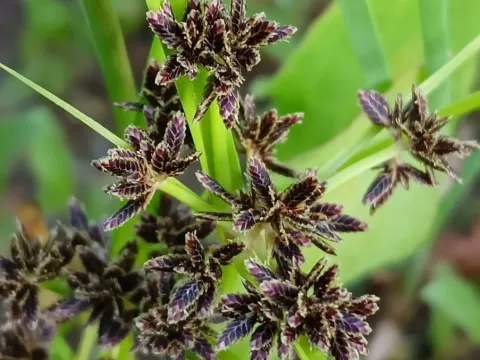
Brown galingale
Cyperus fuscus
Brown galingale (Cyperus fuscus) is an annual herbaceous plant belonging to the Cyperaceae family. In agriculture, it is often identified as a persistent weed species that thrives in moist habitats, significantly impacting crop management in low-lying areas.
What the section contains
Brown galingale
Its natural range extends across much of Europe, Asia, and North Africa. The plant is primarily found on riverbanks, muddy substrates, and wetlands, demonstrating a high tolerance for waterlogged conditions that would inhibit other non-aquatic species.
Morphologically, Cyperus fuscus features triangular stems and slender leaves. Its inflorescence is a distinct umbel, characterized by small, brown-colored spikelets. This structure allows the plant to efficiently produce seeds in highly moist environments.
Regarding environmental requirements, this plant strictly demands high soil moisture and nitrogen-rich substrates. It favors silty and clay soils where drainage is poor, making it a reliable indicator plant for over-irrigated or naturally waterlogged agricultural sectors.
Agronomic management involves improving field drainage systems and performing mechanical weeding during the early stages of plant development. Preventing the seed bank accumulation is crucial for effective long-term control of this species in cultivated fields.
Brown galingale can act as an alternative host for various fungal pathogens, such as rusts and leaf spot agents. These pathogens can easily transfer to economically significant cereal crops when conditions are favorable for their spread.
Common pests associated with this plant include aphids and mites that utilize the dense growth of the sedge for shelter and reproduction. These pests can subsequently cause damage to neighboring crops if the weed is not managed promptly.
In terms of ecological threats, the rapid spread of the species can lead to the displacement of beneficial local flora in edge habitats. Its ability to proliferate in wet areas makes it a challenging competitor for resources in irrigated plantations.
Integrated weed management programs often incorporate targeted herbicide applications combined with physical disruption of the root zones. Removing biomass before seed maturation is essential to stop the biological cycle of the weed in the field.
Continuous monitoring of irrigation and soil moisture levels remains the best preventative measure. By managing the micro-environment of the field, farmers can significantly decrease the viability of brown galingale seeds and subsequent colonization.