
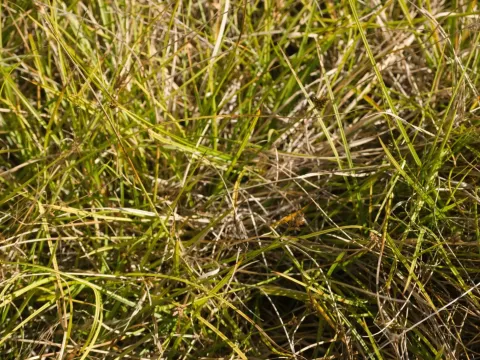
Brownish sedge
Carex subfusca
Brownish sedge (Carex subfusca) belongs to the Cyperaceae family. It is a perennial grass-like plant native to western North America, typically found in diverse wet habitats ranging from marshes to montane meadows.
What the section contains
Brownish sedge
The plant thrives in moist to wet environments. It is often located near stream banks, in wet depressions, and in areas where the soil remains hydrated throughout the primary growth season, showing significant tolerance to seasonal water fluctuations.
Requirements for soil include good organic content and moisture-retentive properties. While it prefers moist soils, it can adapt to various soil textures, including loams and sandy soils, provided that there is sufficient root aeration.
Climatic conditions for this species should be moderate. It is well-adapted to the temperate climate of the Pacific coast, demonstrating resilience to cold winter periods and rapid vegetative recovery when spring temperatures arrive.
Agricultural management of Carex subfusca focuses on soil conservation and meadow structure. Its robust rhizomatous root system makes it an excellent choice for stabilizing soil on damp slopes and preventing erosion in riparian zones.
The economic use of brownish sedge is primarily centered on forage production in extensive meadow systems. As a native component of grasslands, it contributes to the overall biomass yield in riparian zones.
Yield consistency depends heavily on local hydrologic conditions. In years with adequate precipitation, the brownish sedge provides reliable green biomass, particularly in regions where other forage species might fail due to excessive moisture.
Nutritional value is highest during the vegetative stage. Livestock managers often target early harvesting to ensure the hay remains palatable and digestible, as lignification increases significantly once the flowering stage begins.
Beyond forage, the species is valued for its ecological function in land restoration. By providing cover and stabilizing the soil, it enhances the sustainability of grazing lands and reduces the impact of agricultural runoff.
For sustainable yield, grazing or mowing pressure must be balanced. It is essential to allow the plant time to replenish energy stores in the rhizomes after cutting to ensure persistence over multiple seasons.
Common threats to the health of Carex subfusca include fungal pathogens such as rusts and mildews, which can spread rapidly in stagnant, overly humid conditions. These diseases affect the photosynthetic capacity of the leaves.
Insect pests include various sedge-feeding larvae that target stems and reproductive organs. While usually not devastating to large stands, localized infestations can lead to decreased vigor and seed production.
Weed competition is a significant threat, especially for young stands. Invasive grass species and broadleaf weeds can easily outcompete sedges for sunlight if the stand is not managed properly or if the site is disturbed.
Disease management focuses on maintaining appropriate plant spacing and moisture levels. Avoiding excessive nitrogen fertilization is key to preventing lush growth that is more susceptible to fungal attacks in high-humidity periods.
Monitoring is crucial during the early growth phase. If pests exceed economic thresholds, integrated pest management strategies are applied to protect the stand while minimizing environmental impacts on the meadow ecosystem.