
Bulbostylis
Bulbostylis
Bulbostylis is a diverse genus of plants belonging to the Cyperaceae family, often referred to as sedges. These plants are characterized by their robust nature and adaptation to environments where other forage crops struggle to survive.
What the section contains

Bulbostylis
The genus is widely distributed across tropical and subtropical regions globally, commonly found in savannas, grasslands, and areas with periodic water logging or sandy, nutrient-poor substrates.
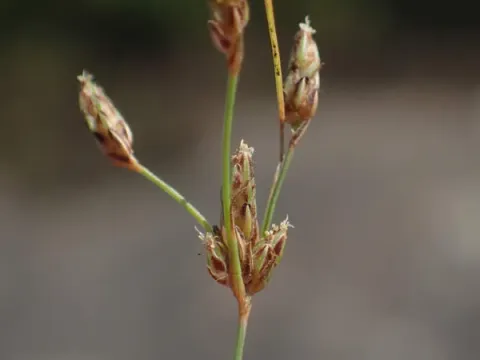
Botanically, Bulbostylis species exhibit a tufted growth habit with narrow, grass-like leaves and terminal inflorescences that vary from capitate to anthelate, depending on the specific species.
Environmental requirements for these plants are centered on high light intensity and thermal stability. They are notably tolerant of acidic soils and low fertility, making them potential candidates for soil restoration projects.
Proper agronomic management involves avoiding excessive moisture during the dormant season to ensure the health of the rhizomes, as these plants thrive under fluctuating environmental conditions.
Bulbostylis is susceptible to various fungal pathogens, specifically those causing leaf spots, which thrive during periods of prolonged humidity and poor air circulation within the canopy.
In terms of pest pressure, aphids and spider mites are the most common threats that can affect plant vigor by damaging foliage and reducing overall photosynthetic efficiency.
Weed management remains the most critical aspect of the early cultivation phase, as slow establishment leaves the crop vulnerable to aggressive fast-growing weed competition.
Root rot pathogens represent a significant risk if the soil structure becomes too compact or waterlogged, which impairs root respiration and overall plant health.
Effective mitigation strategies include implementing standardized crop monitoring programs and ensuring that the field preparation promotes adequate soil drainage and aeration.