
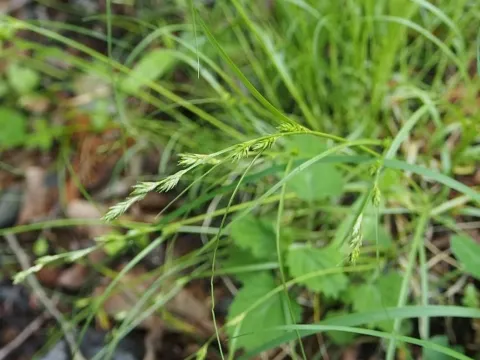
Carex rochebrunei
Carex rochebrunei
Carex rochebrunei is a perennial plant belonging to the Cyperaceae family, native to the temperate regions of East Asia. This species is highly valued in horticulture for its elegant foliage and ability to thrive in damp, shaded environments where many other grasses struggle.
What the section contains
Carex rochebrunei
The plant performs best in moist, well-drained soil rich in organic matter. While it is tolerant of temporary dampness, it does not thrive in stagnant, boggy water, making proper soil drainage a critical factor for long-term survival in garden settings.
Climate requirements for Carex rochebrunei include protection from intense afternoon sun and hot, drying winds. It is well-suited for temperate gardens that experience distinct seasons, provided that the soil does not freeze solid without insulating snow cover.
Regular maintenance includes consistent hydration during the growing season. In particularly dry weather, supplemental irrigation is necessary to maintain the turgor of the leaves and prevent the tips from browning prematurely.
Propagation is most efficiently achieved through the division of mature clumps in early spring or autumn. This helps maintain the vigor of the plant, ensuring that the new growth remains lush and consistent in its characteristic texture and color.
While Carex rochebrunei is generally robust, it may occasionally face pressure from fungal diseases if planted in areas with extremely high humidity and poor air circulation. Proper spacing is essential to mitigate these risks and maintain plant health.
Pests such as aphids or spider mites are rare but can appear in stressful conditions. A healthy plant, grown in its preferred environment, is usually capable of resisting these minor infestations without the need for chemical intervention.
Preventative measures include the removal of dead foliage during the late winter dormant phase. This not only improves the aesthetic appearance of the plant but also removes potential overwintering sites for insects and spores.
Invasive weed competition should be managed in the early stages of planting. Once the sedge clumps are established, their dense root systems usually outcompete most weeds in the immediate vicinity.
Overall, Carex rochebrunei remains a low-maintenance choice for gardeners. Its minimal vulnerability to typical agricultural pests makes it a highly sustainable option for modern landscape projects seeking to reduce chemical usage.