
Carex rigescens
Carex rigescens
Carex rigescens, commonly known as a type of sedge, belongs to the Cyperaceae family. It is a perennial herbaceous plant known for its hardiness and ability to thrive in challenging environments across various steppe regions.
What the section contains
Carex rigescens
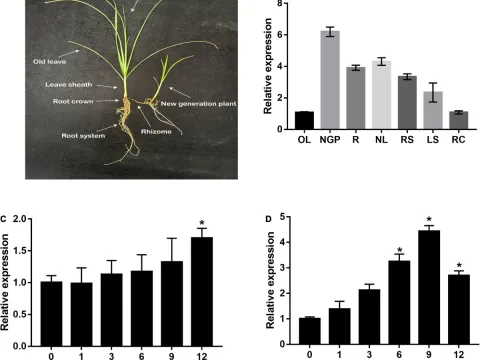
The plant features an extensive underground system of creeping rhizomes. This structural adaptation allows it to colonize sandy soils efficiently, providing significant soil binding capabilities that are highly valued in erosion control projects.
It prefers well-drained, sandy or loamy-sandy soils. While it exhibits great tolerance for moisture-deficient conditions, it performs best when the substrate is capable of retaining a minimal amount of essential nutrients for growth.
Carex rigescens requires full sun to partial shade for optimal development. It is highly resistant to temperature extremes, including severe winter frosts and hot, dry summers, making it a robust choice for restoration projects.
During the initial sowing phase, weed management is crucial. Because the seedlings establish slowly, they require a clean seedbed to avoid competition for resources, especially light and water, during the first few months.
The primary agricultural use of Carex rigescens is in phytoremediation and land stabilization. It is frequently included in seed mixtures intended for stabilizing embankments, slopes, and areas prone to wind erosion.
In terms of forage production, the plant is moderately nutritive during the early spring growth stage. It can provide a supplementary grazing source for livestock before the foliage becomes too tough and lignified for consumption.
Biomass production is generally moderate but stable over time. Once the root system is fully established, the plant spreads vegetatively, creating a dense, protective mat that enhances the overall health and stability of the soil.
In landscape architecture, it serves as a low-maintenance, drought-tolerant ground cover. Its ability to maintain a green, uniform appearance without irrigation makes it an eco-friendly option for sustainable landscaping.
Further economic potential lies in its role within agroforestry systems, where it helps maintain soil structure around shelterbelts, effectively reducing the negative impacts of soil degradation on nearby crop fields.
Carex rigescens is naturally resistant to many common fungal diseases that affect cereal crops. However, excessive moisture during the growing season can occasionally lead to issues such as powdery mildew.
Soil-dwelling insects, particularly wireworms, represent the main threat to young plantations. They can damage the tender rhizomes of new plants, potentially leading to significant stand thinning if left unmanaged.
Leaf-feeding insects may sporadically impact foliage quality during dry years. Despite this, the plant's high silica content makes it unappealing to many generalist pests, which serves as a natural defensive mechanism.
Integrated management strategies focus on preventing waterlogged conditions. By selecting well-drained sites and managing stand density, producers can effectively minimize the risk of pathogen outbreaks.
Chemical treatments are seldom necessary for this crop. Management is primarily focused on environmental conditions and promoting competitive growth against invasive weed species during the establishment phase.