
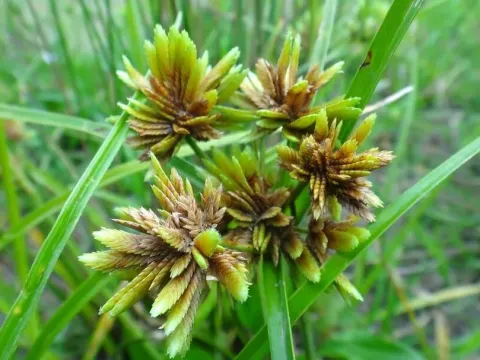
Cyperus teneristolon
Cyperus teneristolon
Cyperus teneristolon, a member of the Cyperaceae family, is a perennial herbaceous plant known for its creeping rhizomes. Propagation is primarily achieved through vegetative division, ensuring that each planting unit has healthy roots and dormant buds for rapid establishment.
What the section contains
Cyperus teneristolon
The ideal planting time is during the early spring when soil temperatures stabilize, facilitating faster root development. Early establishment is crucial for the plant to successfully compete with surrounding vegetation throughout the growing season.
Site selection should prioritize areas with ample sunlight and consistent moisture. Soil preparation involves deep tilling to allow the delicate rhizomes to expand easily, as compacted soil can significantly stunt the growth and spread of the plant.
When planting, ensure proper spacing between clusters. While the species is vigorous, overcrowding in the initial stages can limit nutrient uptake and lead to uneven development across the field or landscape area.
Immediately after planting, the site must be thoroughly irrigated. Maintaining high soil moisture levels for the first month is non-negotiable, as this prevents the rhizomes from dehydrating before they can establish an independent root system.
This species is highly adapted to wetland and riparian habitats. It thrives in soils that remain consistently moist, making it an excellent choice for areas with high water tables where other agricultural crops might struggle due to root hypoxia.
Sunlight is the primary driver of growth for Cyperus teneristolon. It requires full sun exposure to maintain its structural integrity and produce the dense biomass characteristic of healthy stands in agricultural settings.
Soil nutrient profile should be rich in organic matter to support the high metabolic rate of the plant. A slightly acidic to neutral pH is preferred, as extreme alkalinity can limit the availability of essential micronutrients required for vegetative vigor.
The plant performs best in a temperature range of 20°C to 28°C. While it is hardy in many climates, prolonged exposure to freezing temperatures requires protective management or cultivation in controlled greenhouse environments during the winter months.
Consistent nitrogen-based fertilization is recommended during the peak growth months. This promotes the production of new stolons, which are essential for expanding the plant coverage and maximizing the potential output of the planting site.
Fungal pathogens such as rust and various forms of stem rot pose the greatest threat to healthy stands. These conditions are typically exacerbated by stagnant water or poor air circulation, underscoring the importance of proper spacing.
Insect pests, including spider mites and thrips, can cause significant damage during periods of low humidity. Integrated pest management strategies, such as maintaining optimal moisture and using targeted biological agents, are preferred over synthetic pesticides.
Root-knot nematodes can be a limiting factor in intensive cultivation systems. Regular soil testing is advised to detect early infestation, and implementing crop rotation cycles every few years helps break the pest life cycle.
Weed management is critical during the establishment phase. Because Cyperus teneristolon has a shallow root system, manual weeding is safer than mechanical tilling, which could easily damage the developing rhizome network.
Maintaining plant health through balanced nutrition and proper sanitation remains the best defense against disease outbreaks. Removing dead foliage at the end of the season prevents the buildup of inoculum that could infect new growth in the spring.