
Sun-loving sedge
Carex heliophila
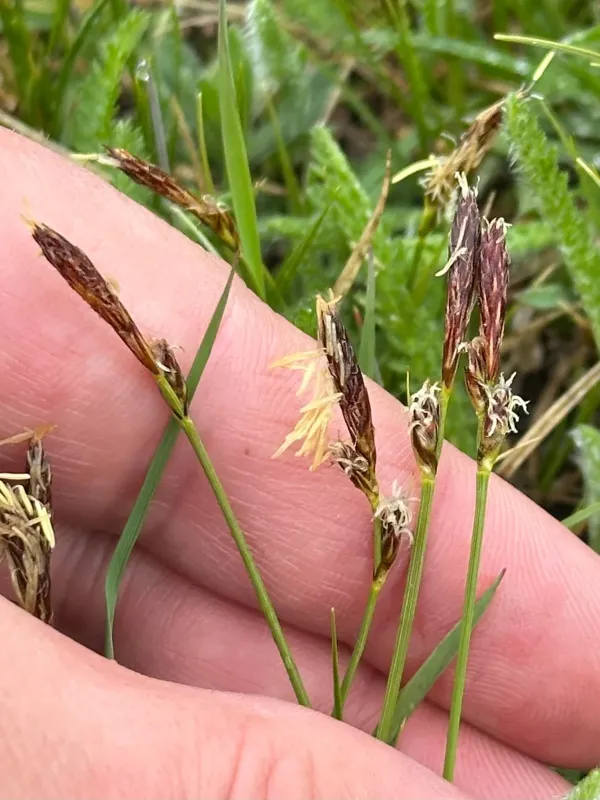
Description
Sowing dates
Sowing seeds of sun-loving sedge is best performed in the autumn, which allows for natural cold stratification of the seeds directly within the soil environment.
Seed planting depth should be kept shallow, approximately 1-2 centimeters, as the small seeds require exposure to light to initiate germination processes.
If sowing is planned for the spring, seeds require pre-stratification at cool, positive temperatures for 30-60 days to ensure improved germination rates.
Seeding rates depend on the intended use; for establishing dense pasture cover, a rate of 10-12 kilograms per hectare is typically recommended for row planting.
Post-sowing, the field should be compacted to ensure optimal capillary moisture movement toward the seeds, which is critical for achieving uniform emergence.
Growing requirements
Sun-loving sedge (Carex heliophila) belongs to the Cyperaceae family. It is a perennial rhizomatous grass species specifically adapted to open, sun-exposed environments, as indicated by its scientific name.
This species exhibits high ecological plasticity but thrives best in well-lit areas with moderate soil moisture. Its native range encompasses the prairies and meadowlands of North America.
The crop has moderate soil requirements, preferring well-drained loams or sandy soils. Its robust root system allows it to withstand extended periods of drought, making it suitable for drier climates.
Soil pH is an important factor, with the plant performing optimally in slightly acidic to neutral soil conditions. Excessively waterlogged soil is generally detrimental to the health of this species.
The plant demonstrates significant climatic adaptability, capable of enduring wide temperature fluctuations, including harsh winters, provided there is a stable snow cover.
Yield
The productivity of Carex heliophila is directly dependent on management intensity and soil fertility. Within hay meadows, it provides a stable and consistent biomass yield.
The biological value of this crop lies in its ability to produce nutritious green matter early in the season, often before other forage grasses reach their peak growth stage.
In grazing systems, yield can be enhanced through the strategic application of moderate mineral fertilizers, particularly nitrogen-based inputs during the early spring.
A notable characteristic is the plant's ability to retain nutritional quality even after partial desiccation, making it a valuable constituent of hay in arid regions.
Maximum dry matter accumulation occurs during the flowering phase, necessitating careful timing of harvest to balance biomass volume with overall feed quality.
Main diseases and pests
Sun-loving sedge typically possesses strong disease resistance; however, in overly dense stands, fungal infections such as leaf rust may occasionally occur under high humidity.
Insect pests rarely cause significant economic damage, but during population outbreaks, damage from cereal flies or aphids may be observed, potentially reducing green mass.
Weed management is critical during the initial establishment phase because the sedge shows relatively slow growth during its first year of life.
Mitigating soil erosion and compaction contributes to reducing environmental stress on the crop, which indirectly boosts its resistance to potential pathogens.
Utilizing integrated pest management strategies, including crop rotation and optimized grazing schedules, helps minimize the risk of disease and pest outbreaks.